

As a supplier of Antioxidant DLTP, I've often been asked about its potential applications in various industries. One question that comes up frequently is whether Antioxidant DLTP can be used in the paper industry. In this blog post, I'll explore this topic in detail, looking at the properties of Antioxidant DLTP, the requirements of the paper industry, and the potential benefits and challenges of using this antioxidant in paper production.
Understanding Antioxidant DLTP
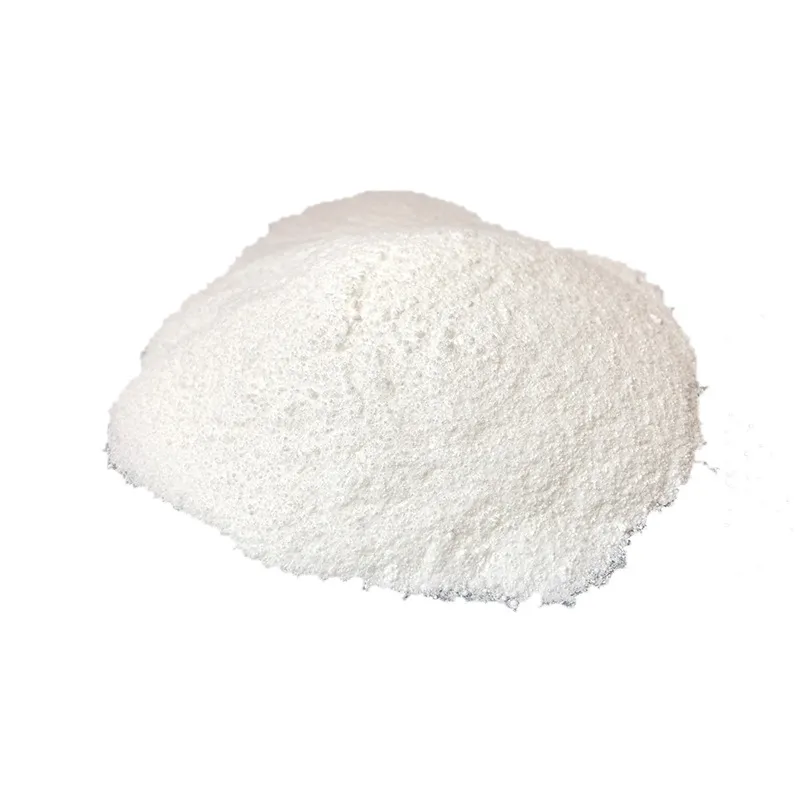
Antioxidant DLTP, also known as Dilauryl Thiodipropionate, is a well - known secondary antioxidant. It belongs to the class of thioester antioxidants. The chemical structure of DLTP consists of a thiodipropionate core with two lauryl ester groups. This structure gives it certain unique properties that make it useful in many applications.
One of the key functions of Antioxidant DLTP is to decompose hydroperoxides, which are formed during the oxidation process of polymers and other materials. By breaking down these hydroperoxides, DLTP helps to prevent the further oxidation and degradation of the material, thus extending its lifespan and maintaining its physical and chemical properties.
DLTP is widely used in the plastics industry as an antioxidant for polyolefins, such as polyethylene and polypropylene. It can also be used in combination with primary antioxidants like Antioxidant 1098 to provide synergistic antioxidant effects. In addition, it is used in rubber, lubricants, and some food packaging materials.
Requirements of the Paper Industry
The paper industry has its own set of requirements when it comes to the use of additives. Paper is made from cellulose fibers, which are prone to oxidation and degradation over time. Oxidation can cause the paper to yellow, become brittle, and lose its strength. Therefore, preventing oxidation is crucial for maintaining the quality and durability of paper products.

In addition to antioxidant properties, additives used in the paper industry need to be compatible with the paper - making process. They should not interfere with the formation of the paper web, the drainage of water, or the retention of fibers. Moreover, they should be non - toxic and environmentally friendly, especially for papers used in food packaging or other applications where human contact is involved.
Potential Benefits of Using Antioxidant DLTP in the Paper Industry
Oxidation Prevention
As mentioned earlier, Antioxidant DLTP can decompose hydroperoxides, which are intermediate products in the oxidation process of cellulose fibers. By using DLTP in paper production, it is possible to slow down the oxidation of cellulose, reducing the yellowing and embrittlement of the paper. This is particularly important for high - quality papers, such as archival papers and fine printing papers, which need to maintain their appearance and strength over a long period of time.
Synergistic Effects with Other Additives
DLTP can be used in combination with other antioxidants or additives in the paper industry. For example, it can work synergistically with Antioxidant 245 or Antioxidant B225. The combination of different antioxidants can provide a more comprehensive antioxidant protection, covering different stages of the oxidation process and enhancing the overall antioxidant performance of the paper.
Cost - effectiveness
Compared to some other high - performance antioxidants, Antioxidant DLTP is relatively inexpensive. This makes it an attractive option for paper manufacturers who are looking for cost - effective ways to improve the quality and durability of their products. By using DLTP, they can achieve a good balance between cost and performance.
Challenges of Using Antioxidant DLTP in the Paper Industry
Compatibility with the Paper - making Process
Although DLTP has been widely used in other industries, its compatibility with the paper - making process needs to be carefully evaluated. The paper - making process involves a series of steps, including pulping, beating, forming, and drying. DLTP may affect the surface tension of the pulp suspension, the drainage rate of water, or the bonding between fibers. Therefore, extensive testing is required to ensure that DLTP does not cause any negative impacts on the paper - making process.
Environmental and Safety Concerns
While DLTP is generally considered to be relatively safe, its environmental impact and potential health risks need to be further studied, especially when used in papers for food packaging or other applications where human contact is involved. There is a growing demand for environmentally friendly and non - toxic additives in the paper industry, and any new additive needs to meet these strict requirements.
Stability in the Paper Matrix
The stability of DLTP in the paper matrix is another challenge. Paper is a complex material composed of cellulose fibers, fillers, and other additives. The physical and chemical environment in the paper matrix may affect the performance of DLTP. For example, the presence of other chemicals or the moisture content in the paper may cause DLTP to degrade or lose its antioxidant activity over time.
Case Studies and Research Findings
Although there is limited research specifically focused on the use of Antioxidant DLTP in the paper industry, some studies on antioxidants in general for paper have provided some insights. For example, research has shown that the use of antioxidants can significantly improve the aging resistance of paper. However, most of these studies have focused on primary antioxidants, and more research is needed to explore the potential of DLTP in this area.
Some paper manufacturers have also conducted in - house trials to test the use of DLTP in their products. In some cases, they have reported positive results in terms of reducing yellowing and improving the strength of the paper. However, these results are often specific to the particular paper - making process and raw materials used, and more comprehensive studies are required to generalize these findings.
Conclusion
In conclusion, Antioxidant DLTP has the potential to be used in the paper industry. Its ability to prevent oxidation, its potential for synergistic effects with other additives, and its cost - effectiveness make it an attractive option. However, there are also several challenges that need to be addressed, including compatibility with the paper - making process, environmental and safety concerns, and stability in the paper matrix.
More research and development work is needed to fully understand the potential of Antioxidant DLTP in the paper industry. Paper manufacturers are encouraged to conduct their own trials and experiments to evaluate the performance of DLTP in their specific production processes.
If you are a paper manufacturer interested in exploring the use of Antioxidant DLTP in your products, I would be more than happy to discuss this further with you. As a supplier of Antioxidant DLTP, I can provide you with high - quality products and technical support. Please feel free to contact me to start a procurement discussion and find out how Antioxidant DLTP can benefit your paper production.
References
- "Antioxidants in Polymers: Principles, Mechanisms, and Applications" by G. Scott.
- "Handbook of Paper and Paperboard Packaging Technology" by Wilmer N. Hawley.
- Research papers on the use of antioxidants in paper preservation from academic journals such as "Journal of Pulp and Paper Science".