

Hey there! I'm a supplier of Antioxidant 2246, and today I wanna chat about how this awesome antioxidant performs under low - temperature conditions.
First off, let's get to know Antioxidant 2246 a bit better. It's a widely - used antioxidant in various industries, especially in polymers and plastics. Its chemical name is 2,2'-Methylenebis(4 - methyl - 6 - tert - butylphenol). This antioxidant works by inhibiting the oxidation process, which is super important because oxidation can cause materials to degrade, lose their strength, and change their appearance over time.
When it comes to low - temperature conditions, we all know that the performance of many substances can change. For Antioxidant 2246, the low - temperature environment has both positive and negative impacts.
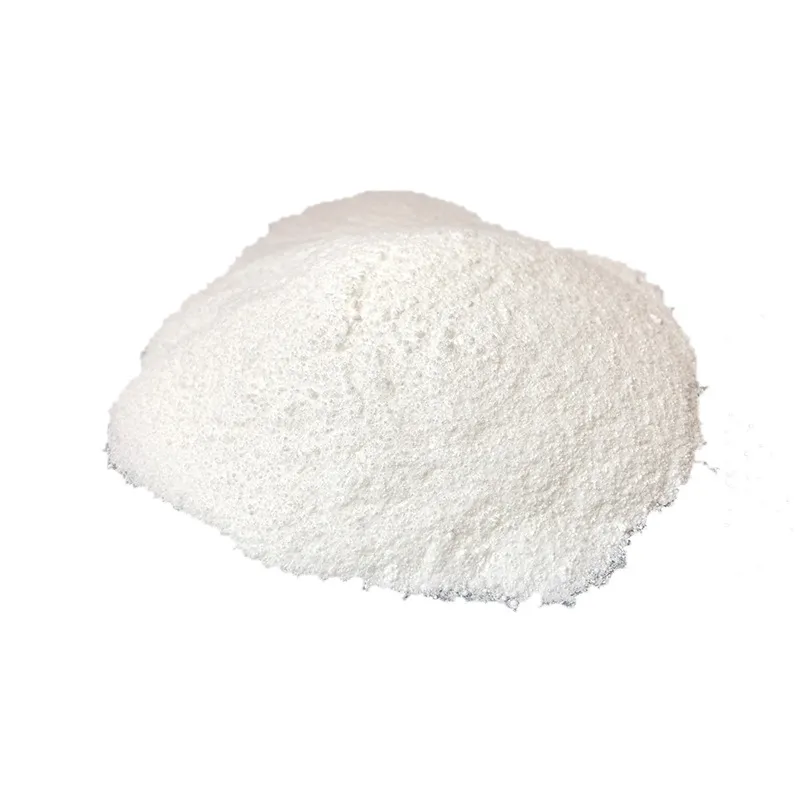

Positive Aspects
One of the good things about Antioxidant 2246 at low temperatures is its stability. Unlike some other antioxidants that might become less effective or even solidify in cold environments, Antioxidant 2246 maintains its physical state and chemical properties to a large extent. It remains in a form that can still interact with the free radicals in the material it's protecting.
In polymers, for example, the free - radical formation rate generally slows down at low temperatures. But there are still some radicals present due to mechanical stress, light exposure, or other factors. Antioxidant 2246 can quickly react with these radicals, preventing them from causing chain - reaction oxidation. This means that even in cold conditions, the material's lifespan can be significantly extended.
Another advantage is its solubility. In low - temperature applications where the material matrix might have a different viscosity or solubility characteristics, Antioxidant 2246 shows relatively good solubility. It can disperse evenly throughout the polymer or other materials, ensuring that every part of the material is protected from oxidation. This is crucial for maintaining the overall quality and performance of the product.
Negative Aspects
However, it's not all sunshine and rainbows. One of the challenges of Antioxidant 2246 under low - temperature conditions is its reaction rate. The chemical reactions that involve antioxidants and free radicals are often temperature - dependent. At lower temperatures, the kinetic energy of the molecules is reduced, which means that the reaction between Antioxidant 2246 and free radicals might be slower compared to higher temperatures.
This slower reaction rate can be a problem in some high - performance applications where rapid radical scavenging is required. For instance, in materials that are exposed to sudden mechanical stress at low temperatures, the slow reaction of the antioxidant might not be able to prevent the initial damage caused by free - radical formation.
Also, in extremely low - temperature environments, the diffusion of Antioxidant 2246 within the material might be limited. The reduced molecular mobility can prevent the antioxidant from reaching all the areas where free radicals are being generated. This can lead to uneven protection, with some parts of the material being more vulnerable to oxidation than others.
Comparison with Other Antioxidants
Let's compare Antioxidant 2246 with some other popular antioxidants like Antioxidant 168, Antioxidant B225, and Antioxidant DSTP under low - temperature conditions.
Antioxidant 168 is a phosphite - based antioxidant. It's known for its ability to decompose hydroperoxides. At low temperatures, its performance is also affected by the reduced reaction rate. However, compared to Antioxidant 2246, it might have a different solubility profile in some materials. In certain polymers, Antioxidant 168 could have better low - temperature solubility, which might give it an edge in terms of even protection.
Antioxidant B225 is a blend of Antioxidant 1010 and Antioxidant 168. This combination is designed to provide both primary and secondary antioxidant protection. Under low - temperature conditions, the blend can offer a more comprehensive approach to oxidation prevention. The primary antioxidant in the blend can react with free radicals, while the secondary antioxidant can decompose hydroperoxides. But similar to Antioxidant 2246, its reaction rate will also be slower at low temperatures.
Antioxidant DSTP is a thio - ester antioxidant. It has a different mechanism of action compared to Antioxidant 2246. At low temperatures, its ability to react with hydroperoxides might be affected by the reduced molecular mobility. In some cases, Antioxidant DSTP might be more effective in materials where hydroperoxide decomposition is the main concern, while Antioxidant 2246 is better at direct free - radical scavenging.
Applications in Low - Temperature Environments
Despite the challenges, Antioxidant 2246 still has many applications in low - temperature environments. In the automotive industry, for example, many parts are exposed to cold weather, especially in regions with harsh winters. Plastics used in car interiors, exteriors, and under - the - hood components can benefit from the protection of Antioxidant 2246. It helps these parts maintain their mechanical properties, such as flexibility and strength, even in freezing temperatures.
In the aerospace industry, where materials are exposed to extreme cold at high altitudes, Antioxidant 2246 can be used in polymers and composites. It ensures that these materials can withstand the low - temperature conditions without significant degradation, which is crucial for the safety and performance of aircraft.
How to Optimize Its Performance
To make the most of Antioxidant 2246 under low - temperature conditions, there are a few things we can do. First, adjusting the dosage is important. A slightly higher dosage might be needed to compensate for the slower reaction rate. However, this should be balanced to avoid over - adding, which can lead to other issues such as reduced material transparency or increased cost.
Another way is to combine Antioxidant 2246 with other antioxidants. As we saw in the comparison section, different antioxidants have different mechanisms of action. By using a blend, we can take advantage of the strengths of each antioxidant and overcome their individual weaknesses. For example, combining Antioxidant 2246 with Antioxidant B225 can provide a more comprehensive oxidation protection system.
Conclusion
So, in conclusion, Antioxidant 2246 has both advantages and disadvantages when it comes to low - temperature performance. Its stability and solubility are great, but the slower reaction rate and limited diffusion can be challenges. By understanding these characteristics and taking appropriate measures, we can still use Antioxidant 2246 effectively in low - temperature applications.
If you're in the market for high - quality Antioxidant 2246 or want to learn more about how it can work for your specific low - temperature needs, don't hesitate to reach out. We're here to help you find the best antioxidant solutions for your products. Let's start a conversation and see how we can work together to protect your materials from oxidation!
References
- "Polymer Additives Handbook" by Hans Zweifel.
- Various research papers on antioxidant performance in low - temperature environments from scientific journals.