

Hey there! As a supplier of UV Absorber - 144, I've been getting a lot of questions lately about how this nifty product resists the harsh marine environment. So, I thought I'd sit down and share some insights with you all.
First off, let's talk about what makes the marine environment so tough. Out there on the open sea, you've got intense sunlight, high humidity, saltwater spray, and fluctuating temperatures. All these factors can really take a toll on materials, causing them to fade, crack, and degrade over time. That's where UV Absorber - 144 comes in.
How UV Absorber - 144 Works
UV Absorber - 144 is designed to do one main thing: absorb harmful ultraviolet (UV) rays. You see, UV rays are like tiny little bullets that can penetrate the surface of materials and cause damage at a molecular level. When these rays hit a material that's been treated with UV Absorber - 144, the absorber molecules spring into action.
They act like little shields, capturing the UV rays and converting their energy into heat. This process prevents the UV rays from reaching the material itself, protecting it from the harmful effects of sunlight. In the marine environment, where the sun is shining bright for long periods of time, this protection is crucial.
Resistance to Saltwater
Another big challenge in the marine environment is saltwater. Saltwater is highly corrosive, and it can eat away at materials, especially metals and plastics. UV Absorber - 144 has some unique properties that help it resist the effects of saltwater.
First of all, it forms a protective layer on the surface of the material. This layer acts as a barrier, preventing saltwater from coming into direct contact with the material. It also helps to repel water, which reduces the amount of time the material is exposed to saltwater.
In addition, UV Absorber - 144 is chemically stable in the presence of salt. It doesn't react with the salt in the water, which means it can continue to provide protection even in highly saline conditions. This is a huge advantage in the marine environment, where saltwater is everywhere.
Durability in High Humidity
High humidity is another characteristic of the marine environment. When the air is full of moisture, it can cause materials to swell, warp, and develop mold and mildew. UV Absorber - 144 is designed to be durable in high humidity conditions.
It has a low water absorption rate, which means it doesn't soak up moisture from the air. This helps to keep the material dry and prevents it from swelling or warping. It also inhibits the growth of mold and mildew, which can not only damage the material but also pose a health risk.
Comparison with Other UV Absorbers
There are other UV absorbers on the market, like UV Absorber - 328, UV Absorber - 327, and UV Absorber - P. While these products also offer UV protection, UV Absorber - 144 has some distinct advantages when it comes to the marine environment.
For example, UV Absorber - 144 has a broader absorption spectrum, which means it can absorb a wider range of UV rays. This provides more comprehensive protection against sunlight. It also has better resistance to saltwater and high humidity compared to some of the other absorbers.

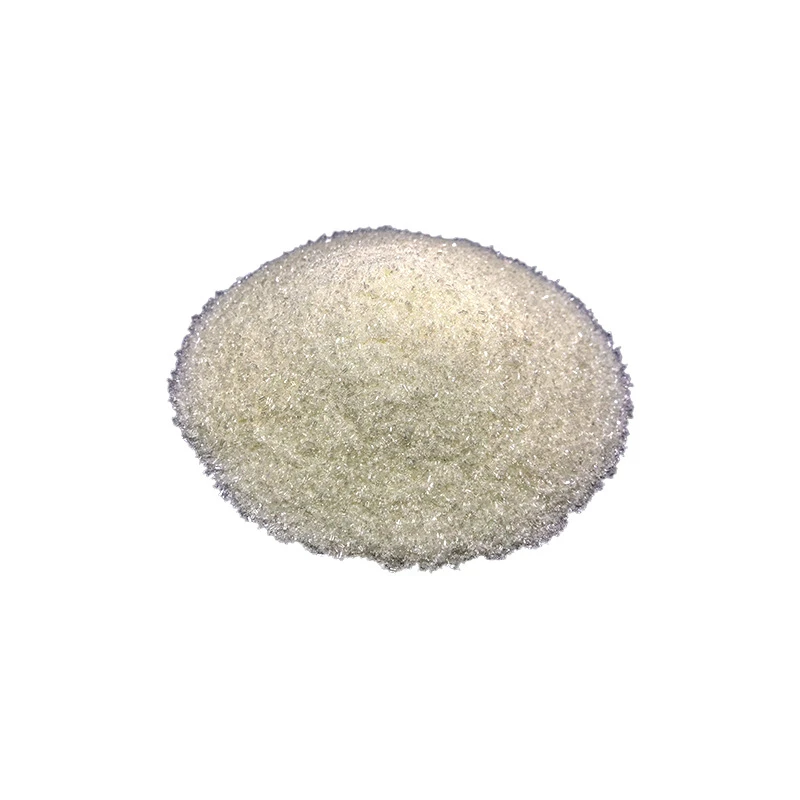
Applications in the Marine Industry
UV Absorber - 144 has a wide range of applications in the marine industry. It can be used in the manufacturing of boats, yachts, and other marine vessels. It can be added to paints, coatings, and plastics to protect them from the elements.
For example, if you're painting the hull of a boat, adding UV Absorber - 144 to the paint will help the paint last longer and look better. It will prevent the paint from fading and peeling, which not only improves the appearance of the boat but also protects the underlying material.
It can also be used in the production of marine equipment, such as ropes, nets, and buoys. By adding UV Absorber - 144 to these products, manufacturers can ensure that they have a longer lifespan and can withstand the harsh marine environment.
Conclusion
In conclusion, UV Absorber - 144 is a powerful tool for resisting the harsh marine environment. Its ability to absorb UV rays, resist saltwater, and withstand high humidity makes it an ideal choice for a variety of marine applications.
If you're in the marine industry and you're looking for a reliable UV absorber, I highly recommend giving UV Absorber - 144 a try. It's a product that has been proven to work, and it can help you extend the lifespan of your materials and products.
If you're interested in learning more about UV Absorber - 144 or have any questions about how it can be used in your specific application, don't hesitate to reach out. We're here to help you find the best solution for your needs. Let's start a conversation and see how we can work together to protect your marine assets.
References
- "The Chemistry of UV Absorbers" - Journal of Polymer Science
- "Marine Environment and Material Degradation" - Marine Technology Magazine
- "UV Protection in the Marine Industry" - International Maritime Research Journal