

Hey there! As a supplier of UV Absorber - 328, I often get asked whether it's a reactive or non - reactive UV absorber. Let's dig into this topic and find out the answer.
First off, let's understand what reactive and non - reactive UV absorbers are. A reactive UV absorber is one that can chemically bond with the polymer matrix it's added to. This means it becomes an integral part of the polymer structure. On the other hand, a non - reactive UV absorber just physically mixes with the polymer. It doesn't form chemical bonds but rather stays dispersed within the polymer matrix.
So, is UV Absorber - 328 reactive or non - reactive? Well, UV Absorber - 328 is a non - reactive UV absorber. It belongs to the class of hydroxyphenyl benzotriazoles. These types of UV absorbers are known for their excellent light - stabilizing properties. They work by absorbing the harmful UV radiation and converting it into heat, which is then dissipated.
One of the big advantages of non - reactive UV absorbers like UV Absorber - 328 is their versatility. Since they don't form chemical bonds with the polymer, they can be used in a wide range of polymers. You can add it to polyolefins, like polyethylene and polypropylene, which are commonly used in packaging materials. It also works great in engineering plastics such as polycarbonate, which is used in things like eyeglass lenses and automotive parts.
Another benefit is that non - reactive UV absorbers usually have good compatibility with different polymers. UV Absorber - 328 can be easily incorporated into the polymer during the manufacturing process. You can just mix it in with the polymer resin, and it will disperse evenly. This makes it convenient for manufacturers as they don't have to worry about complex chemical reactions during processing.
Let's compare UV Absorber - 328 with some other UV absorbers. For example, UV Absorber - 327 is also a well - known UV absorber. It's also a non - reactive hydroxyphenyl benzotriazole. However, UV Absorber - 328 has better thermal stability. This means it can withstand higher temperatures without breaking down. So, if you're working with polymers that require high - temperature processing, UV Absorber - 328 might be a better choice.
UV Absorber - P is another option. It's a different type of UV absorber, a salicylate. While it can provide some UV protection, it's not as effective as UV Absorber - 328 in the long run. UV Absorber - 328 offers more long - term stability and better protection against UV degradation.

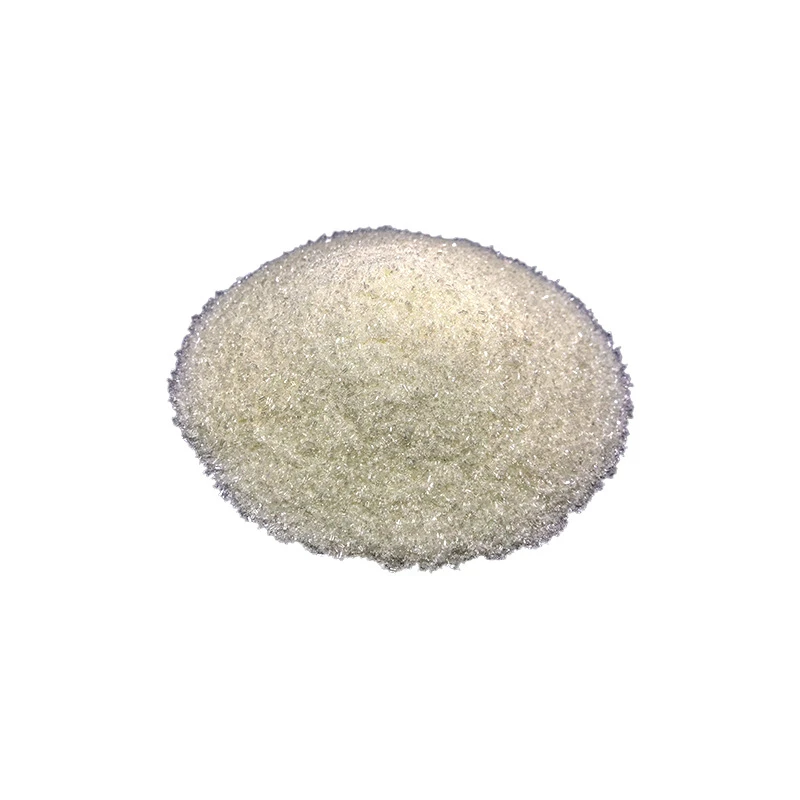
UV Absorber - 326 is also a hydroxyphenyl benzotriazole UV absorber. It has similar properties to UV Absorber - 328, but UV Absorber - 328 has a broader absorption spectrum. This means it can absorb a wider range of UV wavelengths, providing more comprehensive protection for the polymer.
Now, let's talk about the performance of UV Absorber - 328 in real - world applications. In outdoor applications, polymers are constantly exposed to sunlight, which contains a lot of UV radiation. Without proper UV protection, the polymers can degrade over time. They can become brittle, lose their color, and their mechanical properties can deteriorate. But when you add UV Absorber - 328 to the polymer, it can significantly extend the lifespan of the product.
For example, in outdoor furniture made from polypropylene, UV Absorber - 328 can prevent the furniture from fading and cracking. It keeps the furniture looking good and functional for a longer time. In automotive applications, where parts are exposed to harsh sunlight and environmental conditions, UV Absorber - 328 can protect the plastic components from UV damage, ensuring they maintain their performance and appearance.
However, it's not all sunshine and rainbows. There are some limitations to using non - reactive UV absorbers. One potential issue is migration. Since non - reactive UV absorbers are physically dispersed in the polymer, they can migrate to the surface over time. This can lead to a phenomenon called blooming, where the UV absorber forms a white powdery layer on the surface of the polymer. But with proper formulation and the right amount of UV Absorber - 328, this can be minimized.
In terms of dosage, the amount of UV Absorber - 328 you need depends on several factors. The type of polymer, the application, and the expected UV exposure all play a role. Generally, for most applications, a dosage of 0.1% to 1% by weight of the polymer is sufficient. But in more demanding applications, like outdoor products that are exposed to intense sunlight for long periods, you might need to increase the dosage.
As a supplier of UV Absorber - 328, I've seen firsthand how it can make a difference in the quality of polymer products. Whether you're a small - scale manufacturer or a large - scale industrial producer, UV Absorber - 328 can be a great addition to your product line.
If you're interested in learning more about UV Absorber - 328 or want to discuss your specific requirements, don't hesitate to reach out. We can have a chat about how much you might need, how to incorporate it into your manufacturing process, and any other questions you might have.
In conclusion, UV Absorber - 328 is a non - reactive UV absorber with many advantages. Its versatility, compatibility, and performance make it a popular choice for a wide range of polymer applications. So, if you're looking for a reliable UV absorber to protect your polymer products from UV damage, give UV Absorber - 328 a try.
References:
- "Plastic Additives Handbook" by Hans Zweifel
- Industry reports on UV absorbers and polymer degradation