

Hey there! As a supplier of Antioxidant DSTP, I've been getting a lot of questions lately about its effects on the elasticity of materials. So, I thought I'd take some time to break it down for you all.
First off, let's talk a bit about what Antioxidant DSTP is. It's a key player in the world of materials science, often used to protect polymers and other materials from the damaging effects of oxidation. Oxidation can lead to all sorts of problems, like discoloration, loss of strength, and reduced flexibility. And that's where Antioxidant DSTP steps in.
How Oxidation Affects Material Elasticity
Before we dive into how Antioxidant DSTP helps, it's important to understand how oxidation messes with material elasticity. When materials are exposed to oxygen, heat, light, or other environmental factors, they can undergo a chemical reaction called oxidation. This reaction breaks down the molecular structure of the material, causing it to become brittle and lose its ability to stretch and bounce back.

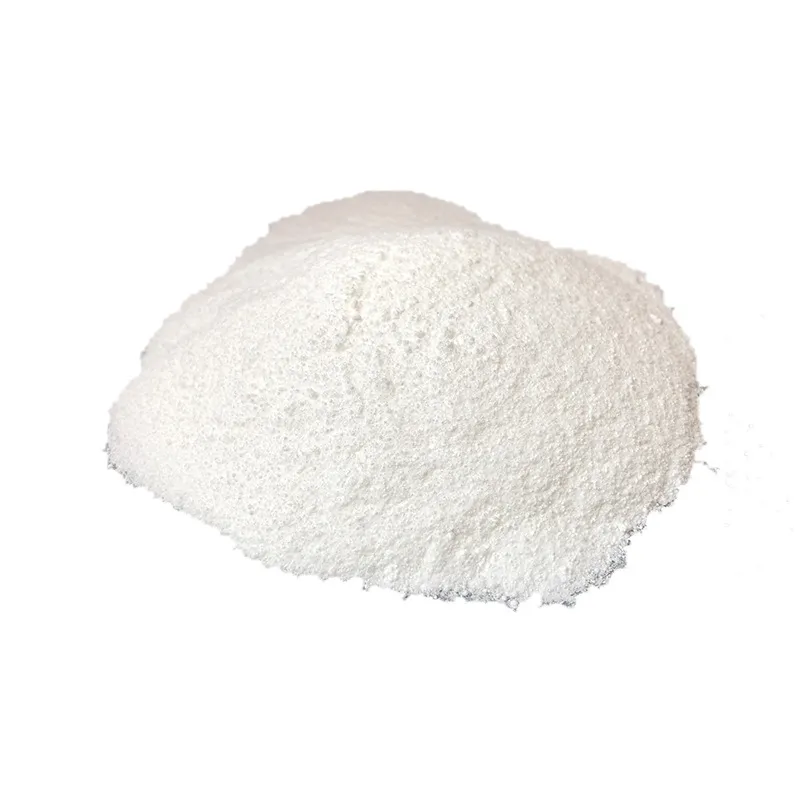
For example, think about a rubber band that's been sitting in the sun for too long. It starts to crack and lose its elasticity, right? That's oxidation at work. In industrial applications, this can be a big problem. Materials that lose their elasticity can fail prematurely, leading to costly repairs and replacements.
The Role of Antioxidant DSTP
Antioxidant DSTP works by inhibiting the oxidation process. It does this by reacting with the free radicals that are produced during oxidation. Free radicals are unstable molecules that can cause damage to the material's structure. By neutralizing these free radicals, Antioxidant DSTP helps to prevent the breakdown of the material and maintain its elasticity.
One of the great things about Antioxidant DSTP is its compatibility with a wide range of materials. It can be used in plastics, rubbers, and other polymers to improve their performance and longevity. For instance, in the automotive industry, it's used to protect rubber seals and gaskets from oxidation, ensuring they maintain their elasticity and seal properly.
Comparing with Other Antioxidants
There are other antioxidants out there, like Antioxidant B225 and Antioxidant DLTP. While these antioxidants also play important roles in protecting materials, Antioxidant DSTP has some unique advantages when it comes to elasticity.
Antioxidant DSTP has a relatively low volatility, which means it stays in the material for a longer time. This allows it to provide long - term protection against oxidation and maintain the material's elasticity over an extended period. In contrast, some other antioxidants may evaporate or leach out of the material more quickly, reducing their effectiveness.
Case Studies
Let's take a look at a couple of real - world examples to see how Antioxidant DSTP affects material elasticity.
In a plastics manufacturing plant, they were using a certain type of plastic for making flexible pipes. Over time, the pipes were losing their elasticity and becoming brittle, leading to leaks. After adding Antioxidant DSTP to the plastic formulation, they noticed a significant improvement. The pipes maintained their flexibility and were able to withstand more bending and stretching without cracking.
Another case is in the rubber industry. A company was producing rubber hoses for hydraulic systems. The hoses were failing due to oxidation - induced loss of elasticity. By incorporating Antioxidant DSTP into the rubber compound, the hoses' performance improved dramatically. They were able to maintain their shape and flexibility under high - pressure conditions, reducing the number of replacements and downtime.
Factors Affecting the Effectiveness of Antioxidant DSTP
The effectiveness of Antioxidant DSTP in maintaining material elasticity can be influenced by several factors.
The concentration of Antioxidant DSTP is crucial. If the concentration is too low, it may not provide sufficient protection against oxidation. On the other hand, if it's too high, it can cause other issues, like compatibility problems with the material or increased cost.
The processing conditions also matter. For example, if the material is processed at very high temperatures, it can affect the stability of Antioxidant DSTP. So, it's important to optimize the processing parameters to ensure the best performance of the antioxidant.
Environmental Impact
In today's world, environmental concerns are a big deal. The good news is that Antioxidant DSTP is relatively environmentally friendly. It has low toxicity and doesn't pose a significant risk to human health or the environment when used properly. This makes it a great choice for industries that are looking to reduce their environmental footprint.
How to Use Antioxidant DSTP
If you're interested in using Antioxidant DSTP to improve the elasticity of your materials, here are some general guidelines.
First, you need to determine the appropriate concentration of Antioxidant DSTP for your specific material. This can usually be done through some testing in a laboratory. You can start with a small sample of the material and add different concentrations of the antioxidant to see which one works best.
Next, make sure to mix the Antioxidant DSTP thoroughly with the material during the manufacturing process. This will ensure that it is evenly distributed throughout the material and can provide consistent protection.
Conclusion
So, in conclusion, Antioxidant DSTP has a significant impact on the elasticity of materials. By inhibiting oxidation, it helps to maintain the molecular structure of the material, keeping it flexible and resilient. Whether you're in the plastics, rubber, or other polymer industries, Antioxidant DSTP can be a valuable addition to your material formulations.
If you're looking to improve the performance and longevity of your materials, I'd highly recommend giving Antioxidant DSTP a try. And if you have any questions or want to discuss your specific needs, don't hesitate to reach out. We're here to help you find the best solutions for your business. You can visit our product page for Antioxidant DSTP to learn more.
References
- "Polymer Degradation and Stabilization" by George Scott
- "Handbook of Antioxidants" edited by G. Galati and D. O'Brien