

Hey there! As a supplier of Antioxidant DSTP, I've seen firsthand how this little chemical compound can make a big difference in material performance. Today, I want to talk about what effects Antioxidant DSTP has on the impact resistance of materials.
What is Antioxidant DSTP?
Before we dive into the impact resistance stuff, let's quickly go over what Antioxidant DSTP is. Antioxidant DSTP, or distearyl thiodipropionate, is a widely used secondary antioxidant. It works by decomposing hydroperoxides, which are formed during the oxidation process of polymers. This helps to prevent the degradation of polymers, keeping them in good shape for longer.
How Oxidation Affects Impact Resistance
To understand how Antioxidant DSTP helps with impact resistance, we first need to know how oxidation affects materials. When polymers are exposed to oxygen, heat, light, or mechanical stress, oxidation occurs. This oxidation process leads to the formation of free radicals and hydroperoxides, which can break down the polymer chains.
As the polymer chains break down, the material becomes more brittle. A brittle material is less able to absorb energy when it's hit or impacted. So, its impact resistance goes down. You can think of it like an old rubber band. When it's new, it can stretch and bounce back easily. But as it ages and is exposed to the elements, it becomes dry and brittle, and it's more likely to snap when you pull on it.
The Role of Antioxidant DSTP in Improving Impact Resistance
Antioxidant DSTP steps in to prevent this chain - breaking process. By decomposing the hydroperoxides, it stops the oxidation from progressing further. This means that the polymer chains stay intact for longer.
When the polymer chains are intact, the material can maintain its flexibility and toughness. A flexible and tough material can absorb more energy when it's impacted. For example, a plastic part with well - preserved polymer chains can bend and deform slightly when it hits something, rather than shattering into pieces.
In addition to maintaining the integrity of the polymer chains, Antioxidant DSTP also helps to improve the overall stability of the material. It can work in harmony with other additives in the polymer formulation. For instance, it can be used in combination with primary antioxidants like Antioxidant BHT to provide a more comprehensive protection against oxidation.
Real - World Examples
Let's take a look at some real - world applications where the impact resistance improvement from Antioxidant DSTP is crucial.
Automotive Parts
In the automotive industry, many plastic parts are used, such as bumpers, interior trim, and under - the - hood components. These parts need to have good impact resistance to withstand collisions and vibrations.
When Antioxidant DSTP is added to the polymer used for these parts, it helps to keep the plastic from becoming brittle over time. This is especially important for parts that are exposed to high temperatures and sunlight, like the exterior bumpers. A bumper with good impact resistance can absorb the energy of a low - speed collision, reducing the damage to the vehicle.
Packaging Materials
Packaging materials also benefit from the improved impact resistance provided by Antioxidant DSTP. For example, plastic bottles for beverages or food products need to be able to withstand being dropped or jostled during transportation.
By using Antioxidant DSTP in the polymer resin of these bottles, manufacturers can ensure that the bottles are less likely to crack or break. This not only protects the product inside but also reduces waste and costs associated with damaged packaging.
Electrical Appliance Components
Electrical appliance components, such as plastic casings for televisions, computers, and kitchen appliances, also rely on good impact resistance. These casings need to protect the internal electrical components from physical damage.
Antioxidant DSTP helps to maintain the impact resistance of the plastic casings, even when they are exposed to heat generated by the electrical components. This ensures the long - term reliability of the appliances.
Comparison with Other Antioxidants
There are other antioxidants on the market, like Antioxidant B225 and Antioxidant DLTP. Each has its own characteristics.
Antioxidant B225 is a blend of a primary and a secondary antioxidant. It provides a broad - spectrum protection against oxidation. While it can also improve impact resistance, Antioxidant DSTP has a specific advantage in decomposing hydroperoxides, which is a key step in preventing polymer chain breakdown related to impact resistance.
Antioxidant DLTP is also a secondary antioxidant similar to Antioxidant DSTP. However, Antioxidant DSTP has better thermal stability. This means that it can continue to work effectively at higher temperatures, which is beneficial for materials that are exposed to heat during processing or use.
Factors Affecting the Effectiveness of Antioxidant DSTP
The effectiveness of Antioxidant DSTP in improving impact resistance can be influenced by several factors.
Concentration
The amount of Antioxidant DSTP added to the polymer is important. If the concentration is too low, it may not be able to fully decompose the hydroperoxides, and the oxidation process will still occur. On the other hand, if the concentration is too high, it may cause other issues, such as blooming (where the antioxidant migrates to the surface of the material) or affecting the processing properties of the polymer.
Processing Conditions
The way the polymer is processed can also affect the performance of Antioxidant DSTP. For example, high - temperature processing can cause some degradation of the antioxidant. So, it's important to optimize the processing conditions to ensure that the Antioxidant DSTP remains active.
Polymer Type
Different polymers have different oxidation characteristics. Some polymers are more prone to oxidation than others. Antioxidant DSTP may work better with certain types of polymers. For example, it is commonly used in polyolefins (like polyethylene and polypropylene), where it can effectively improve the impact resistance.
Conclusion
In conclusion, Antioxidant DSTP plays a vital role in improving the impact resistance of materials. By preventing the oxidation of polymers and maintaining the integrity of polymer chains, it helps materials stay flexible, tough, and able to absorb energy when impacted.

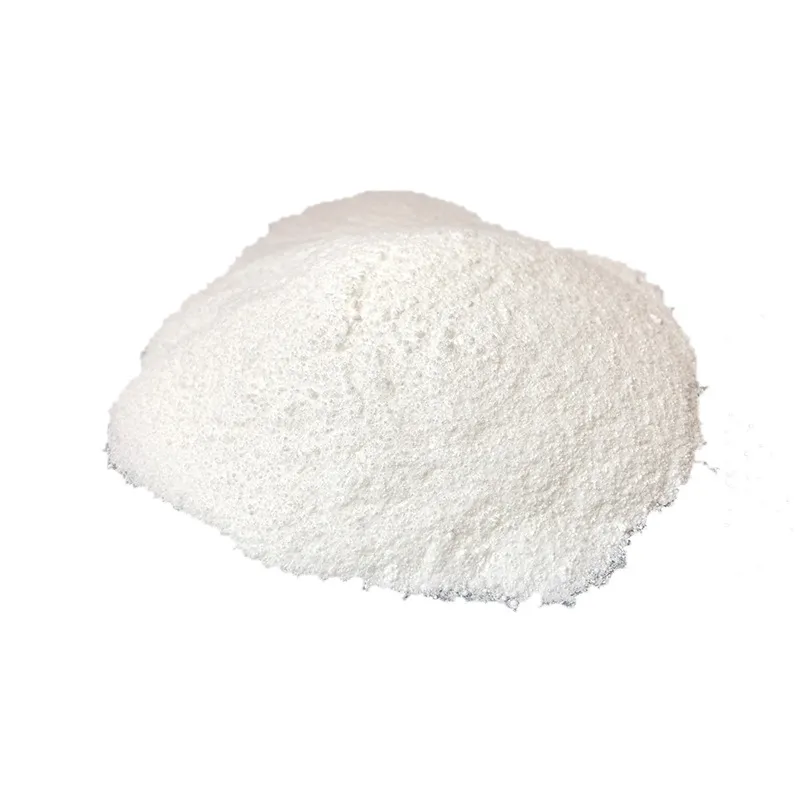
Whether it's in automotive parts, packaging materials, or electrical appliance components, the use of Antioxidant DSTP can lead to more durable and reliable products.
If you're in the business of manufacturing polymer - based products and are looking to improve the impact resistance of your materials, I'd love to have a chat with you. Contact me to discuss how our Antioxidant DSTP can meet your specific needs and take your product quality to the next level. Let's work together to create better, more resilient materials!
References
- "Plastics Additives Handbook" by Hans Zweifel. This comprehensive book provides in - depth information about various plastic additives, including antioxidants and their effects on polymer properties.
- Research papers from academic journals such as "Polymer Degradation and Stability". These papers often present the latest research findings on the oxidation mechanisms of polymers and the performance of different antioxidants.