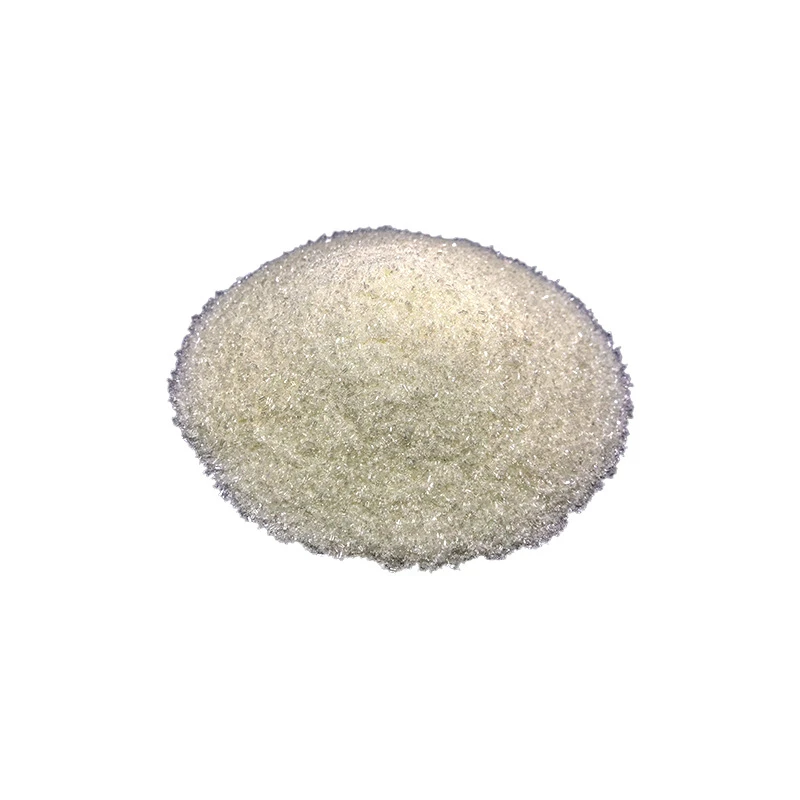
Hey there! As a supplier of UV Absorber - 326, I've been getting a lot of questions lately about the migration limits of this product in food - grade polymers. So, I thought I'd take the time to break it down for you all.
First things first, let's talk about what UV Absorber - 326 is. It's a super useful additive that's commonly used in polymers to protect them from the harmful effects of UV radiation. When polymers are exposed to sunlight, the UV rays can cause them to break down, which leads to things like discoloration, cracking, and a loss of mechanical properties. UV Absorber - 326 helps prevent all that by absorbing the UV light and converting it into heat, which then dissipates.
Now, when it comes to food - grade polymers, things get a bit more complicated. Food - grade polymers are used in all sorts of packaging for food and beverages, so it's crucial that any additives used in them are safe for human consumption. That's where migration limits come in. Migration refers to the movement of substances from the polymer into the food or beverage it's in contact with. And there are strict regulations in place to make sure that the amount of UV Absorber - 326 that migrates is within safe levels.
The migration limits of UV Absorber - 326 in food - grade polymers vary depending on the country and the specific application. In the European Union, for example, the regulations are set by the European Food Safety Authority (EFSA). They've established specific limits based on a thorough risk assessment of the substance. The assessment takes into account things like the toxicity of the absorber, how much of it might be ingested by consumers, and the potential long - term effects.
In the United States, the Food and Drug Administration (FDA) is in charge of regulating food - contact materials. They have their own set of rules and guidelines for determining migration limits. These rules are designed to protect public health and ensure that food packaging is safe.
One of the factors that affects the migration of UV Absorber - 326 is the type of polymer it's used in. Different polymers have different structures and properties, which can influence how easily the absorber migrates. For example, polymers with a more open structure might allow the absorber to migrate more readily than those with a denser structure.
The temperature and the length of time that the polymer is in contact with the food also play a role. Higher temperatures generally increase the rate of migration, as the molecules in the polymer and the absorber have more energy and are more likely to move around. And the longer the contact time, the more opportunity there is for migration to occur.
Another important consideration is the type of food or beverage. Some foods, like fatty foods, can dissolve the absorber more easily than others. So, the migration limits might be different depending on whether the polymer is in contact with a fatty food, a water - based beverage, or something else.
Now, as a supplier of UV Absorber - 326, I make sure that our product meets all the relevant regulations. We work closely with our customers to understand their specific needs and applications, and we provide them with detailed information about the migration limits and how to ensure compliance.
If you're also interested in other types of UV absorbers, we have some great options. Check out UV Absorber - 234, UV Absorber - 144, and UV Absorber - P. Each of these has its own unique properties and applications, and they can all be used to protect polymers from UV damage.
When it comes to choosing the right UV absorber for your food - grade polymer application, it's important to do your research. Look at the migration limits, the performance of the absorber, and the cost. And don't hesitate to reach out to a supplier like me for advice. We have the expertise and the experience to help you make the best choice for your business.
If you're in the market for UV Absorber - 326 or any of our other products, I'd love to have a chat with you. Whether you're a small - scale manufacturer or a large - scale producer, we can work together to find the right solution for your needs. Just get in touch, and we can start discussing your requirements and how we can help you meet them.
In conclusion, understanding the migration limits of UV Absorber - 326 in food - grade polymers is crucial for ensuring the safety of food packaging. By following the regulations and working with a reliable supplier, you can use this effective UV absorber without any worries. So, if you're looking for a high - quality UV Absorber - 326, don't hesitate to contact us. We're here to support you every step of the way.
References
European Food Safety Authority (EFSA). (Year). Scientific opinion on the safety of [UV Absorber - 326] used as a UV stabilizer in plastics for food contact materials.
Food and Drug Administration (FDA). (Year). Regulations for food - contact substances.