

Hey there! As a supplier of UV Absorber - 9, I often get asked about its density. So, let's dive right into it and explore what the density of UV Absorber - 9 is all about.
First things first, what exactly is UV Absorber - 9? Well, it's a type of chemical compound that's used to protect materials from the harmful effects of ultraviolet (UV) radiation. You know, that stuff from the sun that can cause things like fading, cracking, and degradation over time. UV Absorber - 9 works by absorbing the UV light and converting it into heat, which is then dissipated. This helps to keep the materials looking good and functioning properly for longer.
Now, onto the density. The density of a substance is basically how much mass it has per unit volume. In simpler terms, it tells you how heavy something is for its size. For UV Absorber - 9, the density can vary depending on a few factors, like the specific formulation and the temperature.
Typically, the density of UV Absorber - 9 is around 1.1 - 1.2 g/cm³ at room temperature (around 25°C). This is a pretty standard density for many organic compounds used as UV absorbers. But it's important to note that this is just an approximate range. If you need the exact density for a particular application, you'll want to refer to the technical data sheet provided by the manufacturer.
Why does the density matter? Well, it can have a few implications. For one, it can affect how the UV Absorber - 9 is mixed with other substances. If you're using it in a formulation, you need to make sure that the density is compatible with the other ingredients. Otherwise, you might end up with a mixture that doesn't work as well or that separates over time.
Also, the density can impact the handling and storage of the UV Absorber - 9. If it's denser, it might be heavier to transport and store. And you need to make sure that the containers you're using can handle the weight and volume of the product.
Now, let's talk about how UV Absorber - 9 compares to some other popular UV absorbers. There are a bunch of different types out there, each with its own unique properties. For example, UV Absorber-1130 is another well - known UV absorber. It has a different chemical structure and density compared to UV Absorber - 9. The density of UV Absorber - 1130 is usually in the range of 1.05 - 1.15 g/cm³ at room temperature.

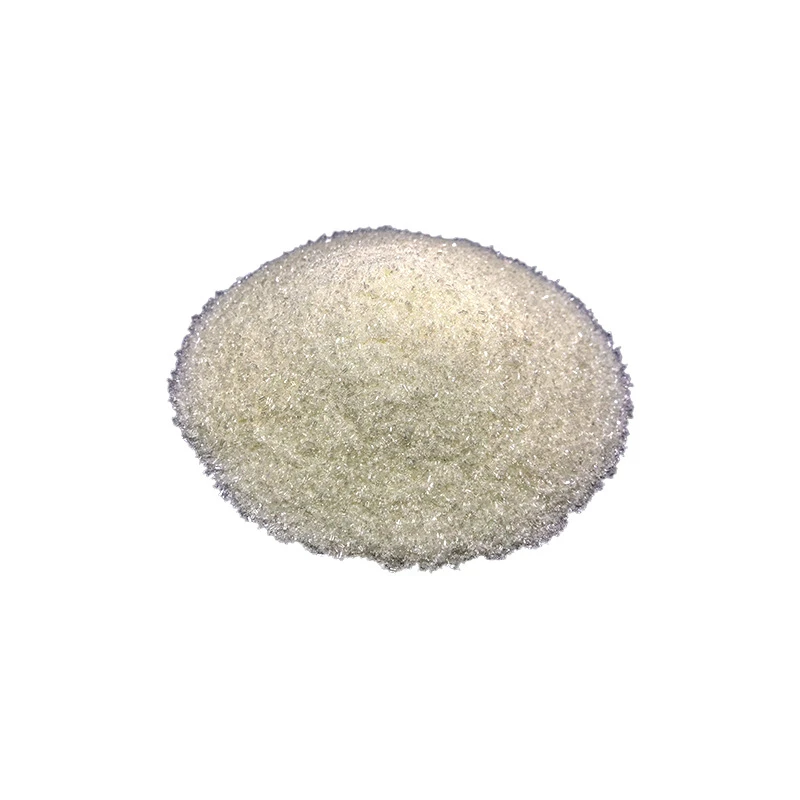
Then there's UV Absorber-P. This one is often used in plastics and coatings. Its density is also in the ballpark of typical UV absorbers, but it might have different performance characteristics depending on the application.
And UV Absorber-328 is yet another option. It's known for its good UV absorption properties in the 280 - 340 nm range. Its density is similar to other UV absorbers in its class, but again, the specific value can vary based on the formulation.
When choosing a UV absorber, density is just one of the factors to consider. You also need to think about things like the absorption spectrum (what wavelengths of UV light it can absorb), the compatibility with the material you're using it in, and the cost.
As a supplier of UV Absorber - 9, I've seen firsthand how important it is to have the right product for the job. Whether you're working on a small - scale project or a large - scale industrial application, getting the details right can make a big difference.
If you're in the market for UV Absorber - 9 or any other UV absorbers, I'd be more than happy to help. I can provide you with all the technical information you need, including the exact density for the specific product you're interested in. We can also discuss your application requirements and figure out the best solution for you.
So, if you're looking to protect your materials from UV damage and want to learn more about UV Absorber - 9 or our other products, don't hesitate to reach out. Let's have a chat and see how we can work together to meet your needs. Whether it's for a new project or to improve an existing one, we're here to support you.
In conclusion, the density of UV Absorber - 9 is an important characteristic that can impact its use and performance. By understanding this property and how it compares to other UV absorbers, you can make a more informed decision when it comes to choosing the right product for your application. So, if you've got any questions or are ready to start a purchase, drop me a line and let's get the ball rolling.
References
- Technical data sheets of UV Absorber - 9, UV Absorber - 1130, UV Absorber - P, and UV Absorber - 328 from relevant chemical manufacturers.
- Textbooks on polymer chemistry and materials science related to UV absorbers.