

Hey there! As a supplier of Antioxidant 245, I often get asked about its EINECS number. So, let's dive right into it and figure out what that EINECS number is all about.
First off, you might be wondering what EINECS is. EINECS stands for the European Inventory of Existing Commercial Chemical Substances. It's a comprehensive list of chemical substances that were commercially available in the European Union before 1981. The EINECS number is a unique identifier assigned to each chemical substance on this list. It helps in the classification, labeling, and regulatory management of chemicals.
Now, the EINECS number of Antioxidant 245 is 247 - 156 - 1. This number is super important for a bunch of reasons. For one, it's a key piece of information for anyone dealing with the chemical, whether you're a manufacturer, a distributor, or a user. It allows regulatory authorities to keep tabs on the chemical and ensure that it's being used safely and in compliance with all the relevant regulations.

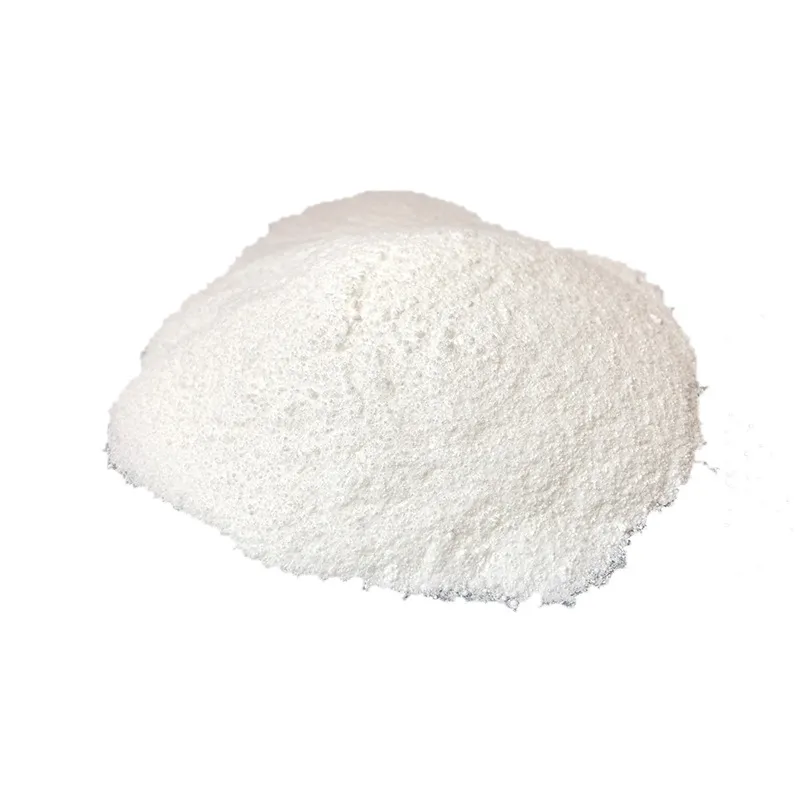
Antioxidant 245 is a really popular antioxidant in the industry. It's widely used in polymers, plastics, and elastomers to prevent oxidation and degradation. Oxidation can cause all sorts of problems, like discoloration, loss of mechanical properties, and reduced lifespan of the materials. That's where Antioxidant 245 comes in. It works by scavenging free radicals, which are the main culprits behind oxidation. By doing so, it helps to maintain the quality and performance of the materials over time.
One of the great things about Antioxidant 245 is its excellent compatibility with a wide range of polymers. It can be used in polyolefins, such as polyethylene and polypropylene, as well as in engineering plastics like polycarbonate and polyamide. This makes it a versatile choice for many different applications.
If you're already familiar with antioxidants, you might also know about Antioxidant 168, Antioxidant B225, and Antioxidant 1076. These are also popular antioxidants, but they have different chemical structures and properties compared to Antioxidant 245. For example, Antioxidant 168 is a phosphite antioxidant, while Antioxidant 1076 is a hindered phenol antioxidant. Each of these antioxidants has its own strengths and weaknesses, and the choice of which one to use depends on the specific requirements of the application.
In some cases, it might even be beneficial to use a combination of different antioxidants. For instance, using Antioxidant 245 together with Antioxidant 168 can provide synergistic effects, which means that the combination is more effective than using either antioxidant alone. This can lead to better protection against oxidation and longer service life of the materials.
As a supplier of Antioxidant 245, I can offer you high - quality products at competitive prices. We have a strict quality control system in place to ensure that our Antioxidant 245 meets all the relevant industry standards. Whether you need a small quantity for research and development or a large volume for industrial production, we can meet your needs.
If you're interested in purchasing Antioxidant 245, I'd love to have a chat with you. We can discuss your specific requirements, such as the quantity, the packaging, and the delivery time. I'm here to help you find the best solution for your business. So, don't hesitate to reach out and start a conversation about your antioxidant needs.
In conclusion, the EINECS number of Antioxidant 245 (247 - 156 - 1) is an important identifier that plays a crucial role in the regulatory management of this chemical. Antioxidant 245 is a versatile and effective antioxidant that can provide excellent protection against oxidation in a wide range of materials. If you're in the market for an antioxidant, I encourage you to consider Antioxidant 245 and get in touch with me to discuss your procurement options.
References:
- European Chemicals Agency (ECHA) database for EINECS information
- Technical literature on Antioxidant 245 from chemical manufacturers