

Hey there! As a supplier of Antioxidant DSTP, I often get asked about the particle size of this product. So, I thought I'd take some time to dive into this topic and share everything you need to know.
First off, let's talk a bit about Antioxidant DSTP itself. It's a widely - used antioxidant in the polymer industry. Antioxidants play a crucial role in protecting polymers from oxidation, which can lead to degradation, loss of mechanical properties, and discoloration. Antioxidant DSTP helps to extend the lifespan of polymers, making them more durable and reliable. You can learn more about it on our Antioxidant DSTP page.
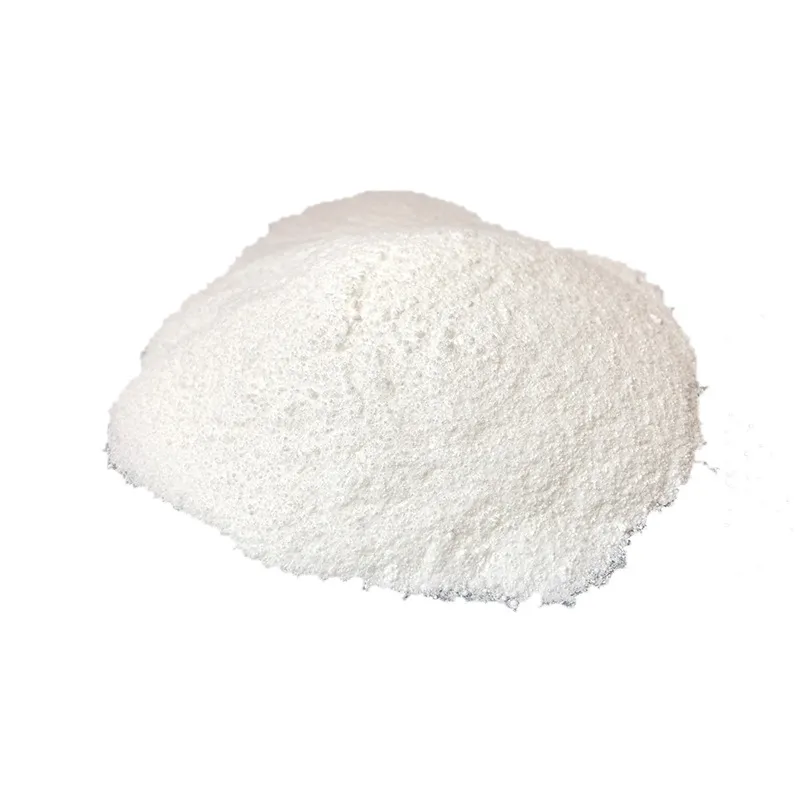
Now, onto the particle size. The particle size of Antioxidant DSTP can vary depending on the manufacturing process and the specific requirements of the end - use application. Generally, the particle size of our Antioxidant DSTP ranges from a few micrometers to tens of micrometers.
Why does the particle size matter? Well, it has a significant impact on the performance of the antioxidant in the polymer matrix. A smaller particle size usually means a larger surface area. When the antioxidant particles have a larger surface area, they can disperse more easily in the polymer. This better dispersion allows for more efficient contact between the antioxidant and the polymer chains, enhancing the antioxidant's ability to scavenge free radicals and prevent oxidation.
For example, in some injection - molding processes, a finer particle size of Antioxidant DSTP can lead to a more homogeneous mixture with the polymer resin. This results in a more uniform distribution of the antioxidant throughout the molded part, providing consistent protection against oxidation across the entire product.

On the other hand, in some extrusion processes, a slightly larger particle size might be more suitable. Larger particles can sometimes flow better through the extrusion die, reducing the risk of clogging and ensuring a smooth extrusion process. However, it's important to find the right balance. If the particles are too large, they may not disperse well, leading to uneven antioxidant protection and potential weak points in the final polymer product.
We also offer different grades of Antioxidant DSTP with varying particle sizes to meet the diverse needs of our customers. Whether you're working on a high - precision injection - molding project or a large - scale extrusion application, we can provide the appropriate particle size of Antioxidant DSTP for your specific requirements.
In addition to Antioxidant DSTP, we also supply other antioxidants like Antioxidant 626 and Antioxidant B225. Each of these antioxidants has its own unique properties and particle size characteristics. Antioxidant 626 is known for its excellent heat - stability and is often used in applications where high - temperature resistance is required. Antioxidant B225 is a blend of primary and secondary antioxidants, providing a comprehensive protection against oxidation.
When choosing the right antioxidant and the appropriate particle size, it's essential to consider factors such as the type of polymer, the processing conditions, and the end - use environment of the final product. Our team of experts is always here to help you make the best decision. We can provide technical support and advice based on your specific project needs.
If you're in the process of developing a new polymer product or looking to improve the performance of your existing ones, we'd love to have a chat with you. Our Antioxidant DSTP, with its carefully controlled particle size, can be a great addition to your polymer formulation. Whether you need a small sample to test in your lab or a large - scale supply for production, we've got you covered.
Don't hesitate to reach out to us to discuss your requirements. We're committed to providing high - quality antioxidants and excellent customer service. We can work together to find the perfect solution for your antioxidant needs, ensuring that your polymer products are protected and perform at their best.
In conclusion, the particle size of Antioxidant DSTP is an important factor that can significantly affect its performance in polymer applications. By understanding the relationship between particle size and antioxidant performance, you can make more informed decisions when selecting an antioxidant for your projects. And remember, we're here to support you every step of the way.
References:
- Polymer Additives Handbook, Hans Zweifel (Editor)
- Plastics Additives: An A - Z Reference, Geoffrey Pritchard