

Hey there! As a supplier of UV Absorber - 360, I often get asked about the thermal expansion coefficient of materials when this nifty UV absorber is thrown into the mix. So, let's dig deep into this topic and find out what's what.
First off, let's understand what the thermal expansion coefficient is. In simple terms, it's a measure of how much a material expands or contracts when its temperature changes. Every material has its own unique thermal expansion coefficient, which can be affected by a bunch of factors like its chemical composition, molecular structure, and the presence of additives like our UV Absorber - 360.

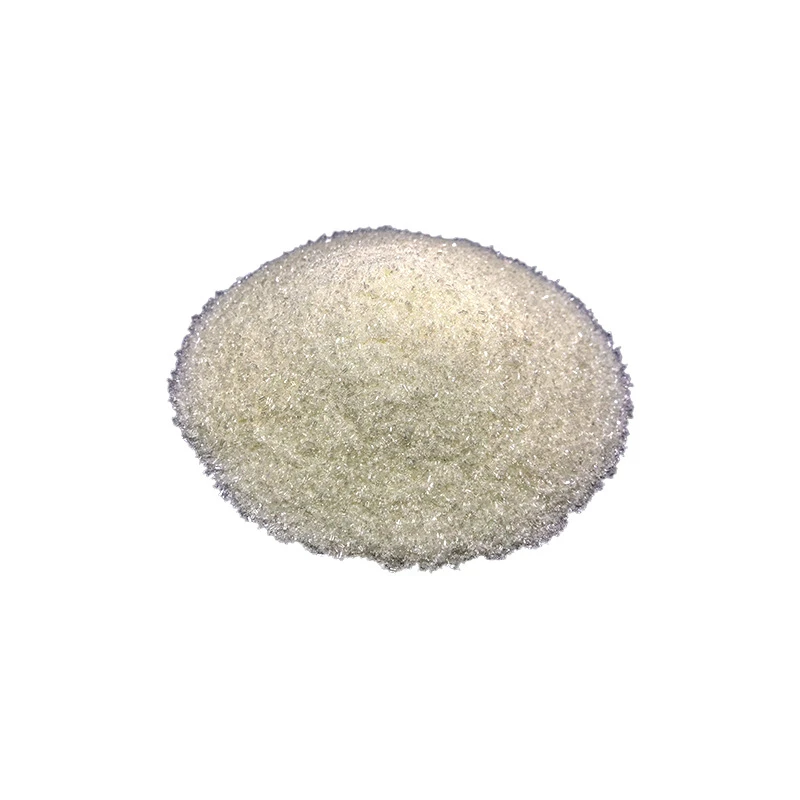
UV Absorber - 360 is a top - notch product that's designed to protect materials from the harmful effects of ultraviolet (UV) radiation. It works by absorbing UV light and converting it into heat, which is then dissipated. But how does it impact the thermal expansion coefficient of a material?
Well, when you add UV Absorber - 360 to a material, it can potentially change the way the material responds to temperature changes. The absorber can interact with the polymer chains in plastics or the molecular structure of other materials. For instance, in plastics, the UV Absorber - 360 can act as a sort of "glue" between the polymer chains, making them more resistant to movement when heated. This could lead to a decrease in the thermal expansion coefficient, meaning the material will expand less when the temperature goes up.
On the other hand, if the UV Absorber - 360 disrupts the normal packing of molecules in a material, it might increase the thermal expansion coefficient. This could happen if the absorber creates voids or spaces between the molecules, allowing them more room to move as the temperature rises.
To really understand the thermal expansion coefficient of a material with UV Absorber - 360, we need to look at different types of materials. Let's start with plastics. Plastics are widely used in various industries, and UV protection is crucial for their long - term performance. When we add UV Absorber - 360 to a plastic, we're not only protecting it from UV degradation but also potentially altering its thermal properties.
In polycarbonate plastics, for example, the addition of UV Absorber - 360 can improve its dimensional stability. Polycarbonate has a relatively high thermal expansion coefficient on its own. But when UV Absorber - 360 is incorporated, it can reduce the expansion rate. This is great for applications where precise dimensions are required, like in automotive parts or electronic enclosures.
Now, let's talk about coatings. Coatings are often used to protect surfaces from the elements, and UV protection is a key factor. When UV Absorber - 360 is added to a coating, it can affect the way the coating expands and contracts with temperature changes. A coating with a stable thermal expansion coefficient is less likely to crack or peel over time, which is super important for its long - term durability.
Another aspect to consider is the concentration of UV Absorber - 360 in the material. Generally, a higher concentration of the absorber might have a more significant impact on the thermal expansion coefficient. However, there's a balance to strike. Too much absorber can lead to other issues like reduced mechanical properties or increased cost.
It's also worth mentioning that different materials will respond differently to UV Absorber - 360. For example, elastomers might have a different reaction compared to rigid plastics. Elastomers are more flexible and have a higher natural ability to stretch and contract. The addition of UV Absorber - 360 might change the way they expand and contract, but the overall effect could be less dramatic compared to rigid materials.
If you're familiar with other UV absorbers, you might be wondering how UV Absorber - 360 stacks up. Well, compared to UV Absorber - 328, UV Absorber - 360 offers a different absorption spectrum and might have a different impact on the thermal expansion coefficient. UV Absorber - 328 is known for its broad - spectrum UV protection, but the way it interacts with materials at the molecular level could be different from UV Absorber - 360.
Similarly, UV Absorber - 234 and UV Absorber - P have their own unique properties. UV Absorber - 234 is often used in high - performance plastics, while UV Absorber - P is popular in coatings. Each of these absorbers can affect the thermal expansion coefficient of a material in its own way.
So, how can you figure out the thermal expansion coefficient of a material with UV Absorber - 360? Well, the best way is through testing. There are various methods available, like dilatometry. This technique measures the change in length or volume of a material as the temperature changes. By comparing the results of a material with and without UV Absorber - 360, you can get a clear picture of how the absorber is affecting the thermal expansion.
If you're in the business of manufacturing products that require UV protection and stable thermal properties, you might be interested in using UV Absorber - 360. As a supplier, I can offer high - quality UV Absorber - 360 that's been tested and proven to work effectively. Whether you're making plastics, coatings, or elastomers, our product can help enhance the performance of your materials.
If you're looking to improve the UV protection and thermal stability of your materials, don't hesitate to reach out. We can discuss your specific needs and help you find the right solution. Whether you need a small sample to test or a large - scale supply, we've got you covered. Let's work together to make your products better and more durable.
References
- "Polymer Science and Technology" by Donald R. Paul and Charles B. Bucknall
- "Coatings Technology Handbook" by Edward Cohen and Edgar B. Gutoff
- Research papers on UV absorbers and their effects on material properties from scientific journals like Polymer Degradation and Stability