

Can UV Absorber - 329 be used in food - packaging plastics?
As a supplier of UV Absorber - 329, I often encounter questions from customers regarding its suitability for use in food - packaging plastics. This is a critical topic, considering the strict regulations and safety requirements associated with food contact materials. In this blog, I will delve into the properties of UV Absorber - 329, the relevant regulations, and the potential for its use in food - packaging plastics.
Properties of UV Absorber - 329
UV Absorber - 329 is a well - known light stabilizer that belongs to the benzotriazole class of UV absorbers. It has excellent absorption properties in the ultraviolet range, particularly in the UV - B and UV - A regions. This allows it to effectively protect polymers from the harmful effects of UV radiation, such as discoloration, embrittlement, and loss of mechanical properties.
The chemical structure of UV Absorber - 329 provides it with good solubility in common organic solvents and compatibility with a wide range of polymers, including polyolefins, polystyrene, and polyesters. Its low volatility and high thermal stability make it suitable for use in high - temperature processing conditions, which are often encountered in the manufacturing of plastic products.
Regulations for Food - Packaging Plastics
When it comes to using any additive in food - packaging plastics, regulatory compliance is of utmost importance. Different countries and regions have their own sets of regulations governing the use of substances in food contact materials. For example, in the United States, the Food and Drug Administration (FDA) has established strict guidelines under the Federal Food, Drug, and Cosmetic Act (FD&C Act). The FDA evaluates the safety of additives based on factors such as their chemical composition, potential for migration into food, and toxicological properties.
In the European Union, the European Food Safety Authority (EFSA) plays a key role in assessing the safety of substances used in food contact materials. The EU has a comprehensive regulatory framework, including Directive 2002/72/EC and its subsequent amendments, which set limits on the migration of substances from plastic packaging into food.
These regulations aim to ensure that the substances used in food - packaging plastics do not pose a risk to human health. They typically require that additives have a low potential for migration into food, and that any migration that does occur is within acceptable limits.
Migration Potential of UV Absorber - 329
The migration of additives from plastic packaging into food is a major concern. Migration can occur through various mechanisms, such as diffusion, evaporation, and extraction. The rate of migration depends on several factors, including the chemical nature of the additive, the type of polymer matrix, the contact conditions (e.g., temperature, time, and food type), and the surface area - to - volume ratio of the packaging.
Studies have been conducted to evaluate the migration potential of UV Absorber - 329. In general, the results suggest that under normal use conditions, the migration of UV Absorber - 329 into food is relatively low. However, it is important to note that the migration behavior can vary depending on the specific application and the food contact conditions. For example, higher temperatures and longer contact times can increase the rate of migration.
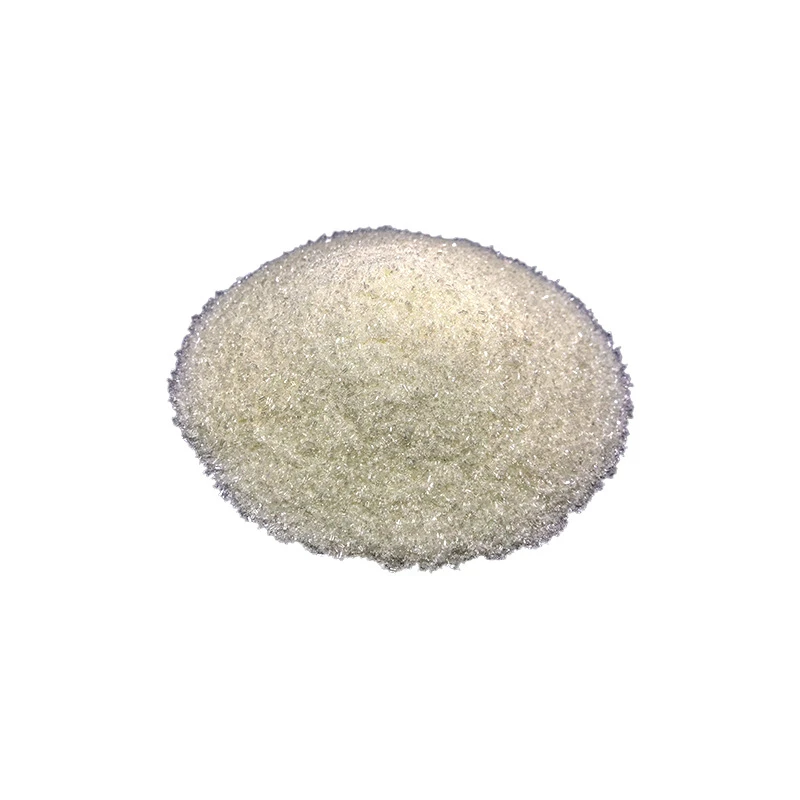

Safety Assessment of UV Absorber - 329
In addition to migration studies, toxicological assessments are also carried out to determine the safety of UV Absorber - 329. These assessments typically involve evaluating the acute, sub - chronic, and chronic toxicity of the substance, as well as its potential for mutagenicity, carcinogenicity, and reproductive toxicity.
Based on available toxicological data, UV Absorber - 329 has been shown to have a relatively low toxicity profile. It has a low acute toxicity, and there is no evidence of mutagenicity or carcinogenicity. However, as with any chemical substance, further research may be needed to fully understand its long - term effects, especially in the context of food contact applications.
Current Status of UV Absorber - 329 in Food - Packaging Plastics
Currently, the use of UV Absorber - 329 in food - packaging plastics is subject to regulatory approval. In some regions, it may be allowed for use in certain types of food - packaging applications, provided that it meets the relevant safety and migration requirements.
It is important for manufacturers of food - packaging plastics to carefully evaluate the suitability of UV Absorber - 329 for their specific products. They should conduct their own migration studies and safety assessments, and ensure that they comply with all applicable regulations.
Alternatives to UV Absorber - 329
If the use of UV Absorber - 329 is not feasible or desirable for a particular food - packaging application, there are several alternatives available. For example, UV Absorber - 9 is another benzotriazole - based UV absorber that has similar properties to UV Absorber - 329. It may be suitable for use in some food - packaging plastics, depending on the regulatory requirements.
UV Absorber - P is a different type of UV absorber that belongs to the benzophenone class. It has good UV absorption properties and is also used in a variety of plastic applications.
UV Absorber - 326 is another option. It is similar to UV Absorber - 329 in terms of its chemical structure and properties, and may be considered as an alternative in some cases.
Conclusion
In conclusion, the question of whether UV Absorber - 329 can be used in food - packaging plastics is a complex one that depends on a variety of factors, including its properties, regulatory compliance, migration potential, and safety assessment. While UV Absorber - 329 has some favorable characteristics, such as good UV absorption and polymer compatibility, its use in food - packaging plastics must be carefully evaluated to ensure that it meets all relevant safety requirements.
If you are interested in using UV Absorber - 329 or any of our other UV absorbers in your plastic products, we encourage you to contact us for more information. Our team of experts can provide you with detailed technical data, guidance on regulatory compliance, and support in conducting migration studies and safety assessments. We are committed to helping you find the best solutions for your specific needs.
References
- Federal Food, Drug, and Cosmetic Act (FD&C Act), United States Food and Drug Administration
- Directive 2002/72/EC and subsequent amendments, European Union
- Various scientific studies on the properties, migration, and toxicology of UV Absorber - 329