

UV radiation from the sun can cause significant damage to insulation materials over time. This damage can lead to a reduction in the material's insulating properties, structural integrity, and overall lifespan. As a leading supplier of UV Absorber - 326, I am excited to share how this remarkable product can improve the UV stability of insulation materials.
Understanding the Impact of UV Radiation on Insulation Materials
Insulation materials are crucial in various applications, from buildings to industrial equipment. They help maintain temperature control, reduce energy consumption, and provide acoustic insulation. However, exposure to UV radiation can cause several problems for these materials.
UV radiation can initiate chemical reactions within the insulation material, leading to chain scission, cross - linking, and oxidation. These reactions can result in the degradation of the polymer matrix in many insulation materials. As a consequence, the material may become brittle, lose its flexibility, and develop cracks. This not only reduces its insulation performance but also makes it more susceptible to mechanical damage.
For example, in building insulation, UV - damaged materials may no longer provide effective thermal insulation. This can lead to increased energy costs as the heating or cooling systems have to work harder to maintain the desired indoor temperature. In industrial settings, damaged insulation can compromise the safety and efficiency of equipment.

How UV Absorber - 326 Works
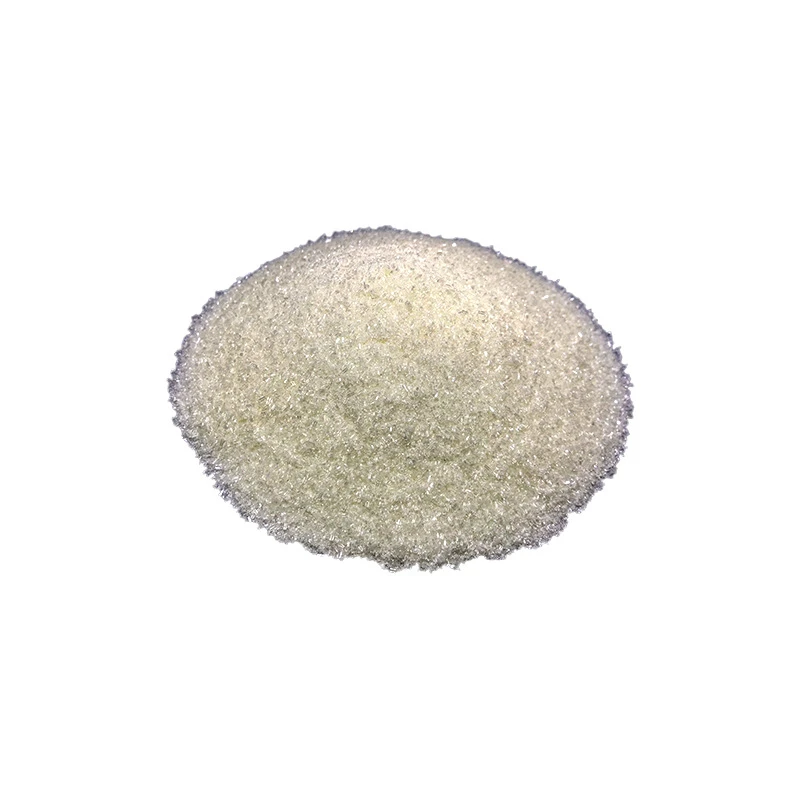
UV Absorber - 326 is a benzotriazole - based UV absorber. Its molecular structure is designed to absorb UV radiation in the 290 - 400 nm range, which is the most harmful part of the UV spectrum for organic materials.
When UV Absorber - 326 is incorporated into insulation materials, it acts as a shield. It absorbs the incoming UV photons and converts the absorbed energy into heat, which is then dissipated safely. This process prevents the UV radiation from reaching the polymer matrix of the insulation material and initiating the degradation reactions.
The key advantage of UV Absorber - 326 lies in its high absorption efficiency and good compatibility with a wide range of polymers commonly used in insulation materials. It can be easily dispersed within the polymer matrix during the manufacturing process, ensuring uniform protection throughout the material.
Benefits of Using UV Absorber - 326 in Insulation Materials
Enhanced UV Stability
By absorbing UV radiation, UV Absorber - 326 significantly improves the UV stability of insulation materials. This means that the materials can withstand prolonged exposure to sunlight without significant degradation. For instance, in outdoor insulation applications such as roofing insulation or insulation for solar panels, UV Absorber - 326 can extend the service life of the insulation material from a few years to decades.
Maintained Physical Properties
The use of UV Absorber - 326 helps maintain the physical properties of insulation materials. The material retains its flexibility, tensile strength, and other mechanical properties over time. This is crucial for ensuring the proper installation and long - term performance of the insulation. For example, in flexible insulation materials like rubber - based insulation, UV - induced brittleness can be avoided, allowing the material to conform to different shapes and maintain its sealing properties.
Improved Aesthetic Appearance
UV radiation can cause discoloration of insulation materials, making them look unattractive. UV Absorber - 326 helps prevent this discoloration, keeping the insulation materials looking fresh and new for a longer period. This is particularly important in applications where the insulation is visible, such as in some architectural designs.
Comparison with Other UV Absorbers
While there are other UV absorbers available in the market, such as UV Absorber - P, UV Absorber - 531, and UV Absorber - 360, UV Absorber - 326 has its unique advantages.
UV Absorber - P is also a popular UV absorber, but it may have a different absorption spectrum and compatibility profile compared to UV Absorber - 326. In some insulation materials, UV Absorber - 326 may provide better protection in the critical UV range.
UV Absorber - 531 is known for its good solubility in some polymers, but it may have limitations in terms of long - term stability under high - intensity UV exposure. UV Absorber - 326, on the other hand, offers excellent long - term UV protection, making it more suitable for insulation materials that are exposed to harsh outdoor conditions.
UV Absorber - 360 is a high - performance UV absorber, but it can be more expensive. UV Absorber - 326 provides a cost - effective solution without sacrificing too much in terms of performance, making it a popular choice for many insulation material manufacturers.
Applications of UV Absorber - 326 in Different Insulation Materials
Polyurethane Foam Insulation
Polyurethane foam is widely used in building insulation due to its excellent thermal insulation properties. When UV Absorber - 326 is added to polyurethane foam, it helps prevent the foam from yellowing and losing its mechanical strength under UV exposure. This ensures that the foam maintains its insulation performance and structural integrity over time.
Polystyrene Insulation
Polystyrene insulation, both expanded polystyrene (EPS) and extruded polystyrene (XPS), is commonly used in construction. UV Absorber - 326 can improve the weatherability of polystyrene insulation, protecting it from UV - induced degradation and cracking. This is especially important for EPS and XPS insulation used in exterior wall insulation systems.
Rubber Insulation
Rubber - based insulation materials are used in various applications, including HVAC systems and automotive insulation. UV Absorber - 326 can prevent the rubber from hardening and losing its elasticity due to UV exposure. This helps maintain the sealing and insulation properties of the rubber insulation.
Incorporating UV Absorber - 326 into Insulation Materials
The incorporation of UV Absorber - 326 into insulation materials is a straightforward process. It can be added during the polymer synthesis or compounding stage. The recommended dosage of UV Absorber - 326 depends on the type of insulation material, the expected UV exposure level, and the desired level of protection.
Typically, a dosage of 0.1% - 5% by weight of the polymer is sufficient to provide effective UV protection. However, for applications with extremely high UV exposure, a higher dosage may be required. It is important to conduct proper testing to determine the optimal dosage for each specific application.
Conclusion
UV Absorber - 326 is a powerful tool for improving the UV stability of insulation materials. Its ability to absorb UV radiation and convert it into heat protects the polymer matrix of the insulation material from degradation. This leads to enhanced performance, longer service life, and maintained physical and aesthetic properties of the insulation materials.
Whether you are a manufacturer of insulation materials or an end - user looking for high - quality insulation, UV Absorber - 326 can provide the solution you need. If you are interested in learning more about UV Absorber - 326 or discussing potential applications in your insulation products, we encourage you to contact us for further information and to start a procurement discussion.
References
- "Polymer Degradation and Stabilization" by A. L. Andrady and S. D. Seal
- "Handbook of UV - Stabilizers" by G. Scott
- Research papers on UV protection of polymers in leading polymer science journals.