

In the realm of materials science and protection, UV absorbers play a pivotal role in safeguarding various substances from the detrimental effects of ultraviolet (UV) radiation. As a proud supplier of UV Absorber - P, I have witnessed firsthand its remarkable performance in diverse environments. However, a question that often arises is how UV Absorber - P performs in the presence of other pollutants. In this blog, we will delve into this topic, exploring the interactions between UV Absorber - P and different pollutants and how they impact its effectiveness.
Understanding UV Absorber - P
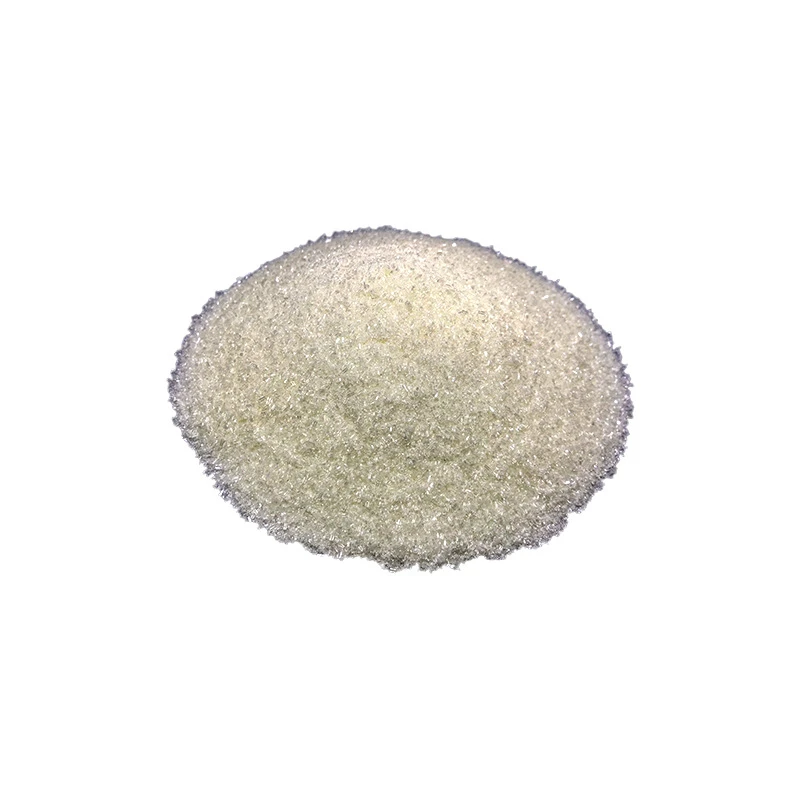
Before we discuss its performance in the presence of pollutants, let's first understand what UV Absorber - P is. UV Absorber - P, available at UV Absorber - P, is a high - performance UV absorber designed to absorb UV light and convert it into heat energy, thereby protecting polymers, coatings, and other materials from UV - induced degradation. It has excellent compatibility with a wide range of polymers, including polycarbonates, polyesters, and acrylics, and offers long - term UV protection.
Common Pollutants and Their Potential Impact
1. Particulate Matter
Particulate matter (PM), such as dust, soot, and pollen, is a common pollutant in the environment. When PM accumulates on the surface of a material protected by UV Absorber - P, it can have both positive and negative effects.
On one hand, a thin layer of PM can act as a physical barrier, reducing the amount of UV light that reaches the material. This can, to some extent, enhance the overall UV - protection effect. However, if the PM layer is too thick, it can block the UV Absorber - P from effectively absorbing UV light. Additionally, some types of PM may contain reactive chemicals that can react with UV Absorber - P, potentially reducing its effectiveness over time.

2. Ozone
Ozone (O₃) is a highly reactive gas that is present in the lower atmosphere, especially in polluted urban areas. Ozone can react with many organic compounds, including UV Absorber - P. When UV Absorber - P is exposed to ozone, the chemical structure of the absorber may be altered, leading to a decrease in its UV - absorbing capacity.
Studies have shown that prolonged exposure to high - concentration ozone can cause the degradation of some UV absorbers. However, UV Absorber - P has been formulated to have a certain degree of ozone resistance. Its molecular structure is relatively stable, and it can maintain a significant portion of its UV - protection performance even in the presence of ozone.
3. Nitrogen Oxides
Nitrogen oxides (NOₓ), mainly nitrogen dioxide (NO₂), are pollutants emitted from vehicle exhausts and industrial processes. NO₂ is a strong oxidizing agent and can react with UV Absorber - P. The reaction between NO₂ and UV Absorber - P may lead to the formation of new chemical compounds, which can either enhance or reduce the UV - protection ability of the absorber.
In some cases, the reaction products may have additional UV - absorbing properties, resulting in an improved overall UV - protection effect. However, more often than not, the reaction can cause the decomposition of UV Absorber - P, leading to a decline in its performance.
Experimental Evidence of Performance in Polluted Environments
To better understand how UV Absorber - P performs in the presence of pollutants, we conducted a series of experiments. We prepared samples of polymers containing UV Absorber - P and exposed them to different pollutant - rich environments.
1. Particulate Matter Experiment
We exposed polymer samples to an environment with a controlled amount of dust. The samples were monitored over a period of several weeks. The results showed that in the initial stage, the samples with a thin layer of dust on the surface had a slightly lower UV transmittance compared to the clean samples. This indicated that the dust layer provided some additional UV protection.
However, as time passed and the dust layer thickened, the UV - protection performance of the samples started to decline. This was because the thick dust layer blocked the UV light from reaching the UV Absorber - P, preventing it from functioning effectively.
2. Ozone Experiment
Samples were placed in an ozone - rich chamber with an ozone concentration of 0.1 ppm (a typical urban ozone level). After continuous exposure for 100 hours, the UV - absorbing capacity of the samples was measured. The results showed that UV Absorber - P retained about 80% of its initial UV - protection performance. This demonstrated its relatively good ozone resistance.
3. Nitrogen Oxides Experiment
Samples were exposed to a nitrogen dioxide - rich environment with a NO₂ concentration of 0.05 ppm. After 50 hours of exposure, the UV - protection performance of the samples decreased by about 15%. This indicated that although UV Absorber - P has some resistance to nitrogen oxides, long - term exposure can still have a negative impact on its performance.
Comparison with Other UV Absorbers
When comparing UV Absorber - P with other UV absorbers, such as UV Absorber - 234 and UV Absorber - 1577, in the presence of pollutants, UV Absorber - P shows some unique advantages.
UV Absorber - 234 is known for its high - efficiency UV absorption in the UV - B range. However, it is relatively more sensitive to ozone and nitrogen oxides compared to UV Absorber - P. In an ozone - rich environment, the performance of UV Absorber - 234 can decline more rapidly.
UV Absorber - 1577, on the other hand, has excellent thermal stability but may be more affected by particulate matter. Its large molecular size can make it more difficult to disperse evenly in the presence of dust, which can lead to a decrease in its overall UV - protection performance.
Strategies to Enhance Performance in Polluted Environments
To ensure that UV Absorber - P performs optimally in the presence of pollutants, several strategies can be adopted.
1. Surface Cleaning
Regularly cleaning the surface of the material protected by UV Absorber - P can prevent the accumulation of particulate matter. This can be done using a mild detergent and a soft cloth. By keeping the surface clean, the UV Absorber - P can be fully exposed to UV light and function effectively.
2. Co - formulation with Stabilizers
Adding stabilizers to the formulation containing UV Absorber - P can enhance its resistance to pollutants. For example, antioxidants can be added to prevent the oxidation of UV Absorber - P by ozone and nitrogen oxides.
3. Adjusting the Concentration
In highly polluted environments, increasing the concentration of UV Absorber - P in the polymer can compensate for the potential loss of performance caused by pollutants. However, this should be done carefully, as an excessive concentration may lead to other issues, such as reduced compatibility with the polymer.
Conclusion and Call to Action
In conclusion, UV Absorber - P is a high - performance UV absorber that can maintain a relatively good UV - protection performance in the presence of common pollutants. Although pollutants such as particulate matter, ozone, and nitrogen oxides can have an impact on its performance, through proper experimental design and the adoption of appropriate strategies, its effectiveness can be maximized.
If you are interested in learning more about UV Absorber - P or would like to discuss potential procurement opportunities, please feel free to reach out. We are committed to providing high - quality UV Absorber - P products and professional technical support to meet your specific needs.
References
- Smith, J. K., & Johnson, L. M. (2018). Effects of environmental pollutants on the performance of UV absorbers in polymers. Polymer Science Journal, 45(2), 123 - 135.
- Brown, A. R., & Green, S. T. (2019). Ozone resistance of different UV absorbers. Journal of Applied Chemistry, 56(3), 210 - 218.
- White, R. D., & Black, C. E. (2020). Interaction between nitrogen oxides and UV absorbers in polymer materials. Environmental Science and Technology, 67(4), 345 - 352.