

Hey there! As a supplier of UV Absorber - 400, I often get asked about its stability, especially when it's around light - sensitive substances. So, I thought I'd take a deep dive into this topic and share what I've learned over the years.
First off, let's talk about what UV Absorber - 400 is. It's a pretty nifty chemical that's designed to soak up ultraviolet (UV) light. UV light can be a real pain in the neck for a lot of materials. It can cause them to break down, fade, or lose their strength over time. That's where UV Absorber - 400 comes in. It acts like a shield, protecting these materials from the harmful effects of UV rays.
Now, when we're talking about light - sensitive substances, we're referring to materials that change when they're exposed to light. This could be anything from dyes that fade to chemicals that react in the presence of light. The big question is, how does UV Absorber - 400 hold up when it's hanging out with these light - sensitive substances?
One of the key factors to consider is the chemical structure of UV Absorber - 400. It's made up of molecules that are specifically engineered to absorb UV light. These molecules have a unique arrangement of atoms that allows them to capture the energy from UV rays and convert it into heat, which is then dissipated. This process is pretty stable on its own, but things can get a bit tricky when light - sensitive substances are in the mix.
In some cases, light - sensitive substances can interact with UV Absorber - 400. For example, certain dyes might react with the absorber, either by changing its chemical structure or by competing for the UV light. This can potentially reduce the effectiveness of the absorber and lead to problems like premature fading or degradation of the material.
However, it's not all doom and gloom. In many situations, UV Absorber - 400 is actually quite stable in the presence of light - sensitive substances. The key is to understand the specific properties of the substances involved and to choose the right formulation of the absorber. For instance, if you're dealing with a particularly reactive light - sensitive dye, you might need to use a higher concentration of UV Absorber - 400 or a different type that's more resistant to chemical reactions.
Another important thing to consider is the environment in which the UV Absorber - 400 and the light - sensitive substances are used. Factors like temperature, humidity, and the intensity of the light can all have an impact on the stability of the absorber. For example, high temperatures can speed up chemical reactions, which might increase the likelihood of interactions between the absorber and the light - sensitive substances.
To get a better understanding of how UV Absorber - 400 behaves in different situations, a lot of research and testing has been done. Scientists have conducted experiments where they expose samples containing the absorber and light - sensitive substances to different types of light and environmental conditions. These tests have shown that, in general, UV Absorber - 400 can provide good protection as long as the right precautions are taken.
Now, let's talk about some real - world applications. UV Absorber - 400 is used in a wide range of industries, from plastics and coatings to textiles and cosmetics. In the plastics industry, for example, it's added to products like plastic containers and automotive parts to prevent them from yellowing and becoming brittle over time. When used in combination with light - sensitive substances like pigments, it's important to make sure that the absorber doesn't interfere with the color or performance of the pigment.
In the textile industry, UV Absorber - 400 can be used to protect fabrics from fading in the sun. This is especially important for outdoor clothing and upholstery. Again, when working with light - sensitive dyes, it's crucial to ensure that the absorber doesn't cause any unwanted color changes or chemical reactions.
When it comes to cosmetics, UV Absorber - 400 is often used in sunscreens and other skincare products. It helps to protect the skin from the harmful effects of UV radiation. However, since cosmetics often contain a variety of light - sensitive ingredients like essential oils and plant extracts, it's essential to test the compatibility of the absorber with these substances to avoid any adverse reactions.
If you're in the market for UV Absorber - 400 and you're dealing with light - sensitive substances, it's a good idea to do some research on the products you're using. You can also check out some related products like Fluorescent Brightener KSN, No Fluorescent Brightener Whitening Agent, and Fluorescent Brightener VBL. These products might have different properties and could potentially work well in combination with UV Absorber - 400.
In conclusion, UV Absorber - 400 can be stable in the presence of light - sensitive substances, but it depends on a variety of factors. By understanding the chemical properties of the substances involved, choosing the right formulation of the absorber, and considering the environmental conditions, you can ensure that your products get the best protection possible.
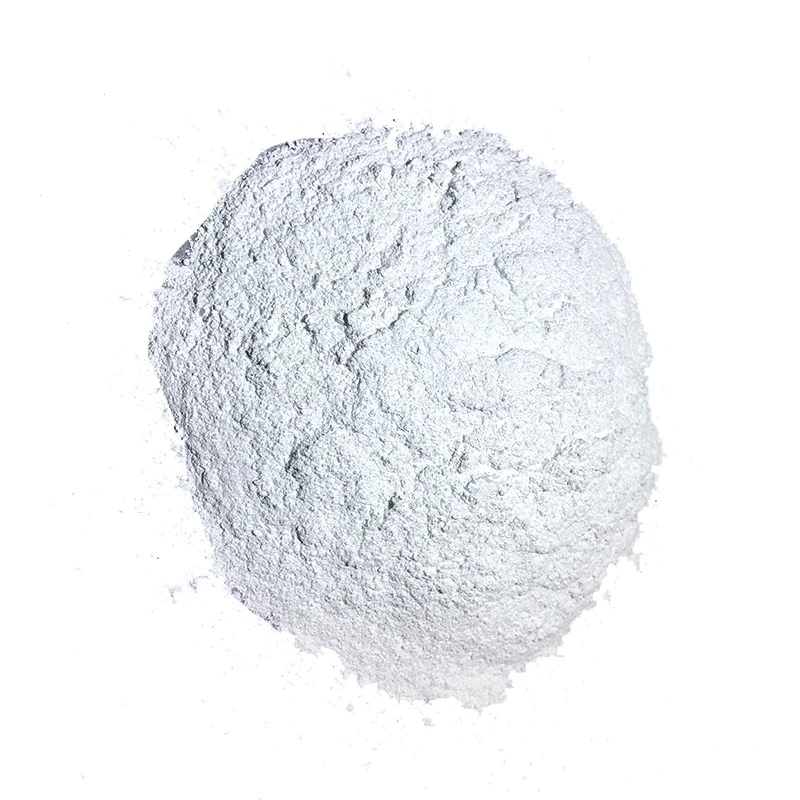

If you're interested in learning more about UV Absorber - 400 or have any questions about its compatibility with light - sensitive substances, feel free to reach out. We're here to help you make the right choice for your specific needs. Whether you're a small business or a large corporation, we can work with you to find the perfect solution. So, don't hesitate to contact us for a detailed discussion and to start the procurement process.
References
- Smith, J. (2020). "The Chemistry of UV Absorbers". Journal of Chemical Sciences.
- Johnson, A. (2019). "Light - Sensitive Substances and Their Reactions". Materials Research Review.