

Hey there! As a supplier of UV absorbers, I've seen firsthand the amazing benefits these little wonders bring to the table. In this blog, I'm gonna break down the advantages of using UV absorbers, so you can see why they're a must - have in so many industries.
1. Protection Against UV Radiation
Let's start with the most obvious advantage: protection against UV radiation. UV rays from the sun can be pretty harsh on materials. They can cause a whole bunch of problems like color fading, loss of gloss, and even cracking and brittleness in plastics, coatings, and textiles.
When you use UV absorbers, they act like a shield. They absorb the harmful UV rays and convert the energy into heat, which is then dissipated. This means that your products stay looking good for longer. For example, if you're in the automotive industry, using UV absorbers in your car's paint can prevent it from fading over time. The paint will keep its original shine and color, even after years of exposure to sunlight.
We offer a range of UV absorbers that are super effective at this. Take UV Absorber - 327 for instance. It has excellent absorption in the UV - B and short - wave UV - A regions. This makes it great for protecting plastics and coatings from the most damaging parts of the UV spectrum.
2. Extended Product Lifespan
Because UV absorbers protect materials from the damaging effects of UV radiation, they can significantly extend the lifespan of products. Think about outdoor furniture. Without UV protection, the plastic or wood used in the furniture can start to degrade quickly. The plastic may become brittle and break, while the wood can warp and rot.
But when you add UV absorbers to the manufacturing process, the furniture can withstand years of sun exposure. This is not only good for the end - user, who gets to enjoy their furniture for longer, but it's also great for the environment. By extending the lifespan of products, we reduce the amount of waste going into landfills.
UV Absorber - P is a popular choice for extending product lifespan. It's highly compatible with a wide range of polymers, which means it can be easily incorporated into different manufacturing processes. Whether you're making plastic toys, outdoor equipment, or even packaging materials, UV Absorber - P can help your products last longer.
3. Enhanced Product Performance
UV absorbers can also enhance the performance of products. In the case of adhesives and sealants, UV radiation can cause them to lose their adhesion properties. This can lead to leaks and failures in structures where they're used.
By using UV absorbers, adhesives and sealants can maintain their integrity even when exposed to sunlight. They'll continue to hold things together firmly, ensuring the safety and functionality of the structures they're used in.
Another example is in the electronics industry. UV radiation can damage the sensitive components in electronic devices. UV absorbers can be added to the protective coatings of these devices to prevent this damage. This helps to maintain the performance of the electronics, reducing the likelihood of malfunctions and costly repairs. UV Absorber - 360 is a high - performance UV absorber that's well - suited for these applications. It has a broad absorption spectrum and excellent thermal stability, which means it can protect electronic components in a variety of environments.
4. Cost - Effectiveness
In the long run, using UV absorbers can be a very cost - effective solution. Sure, there's an upfront cost associated with adding UV absorbers to the manufacturing process. But when you consider the savings from not having to replace products as often due to UV damage, it's definitely worth it.
For manufacturers, it means fewer returns from customers due to product degradation. They can also save on the cost of re - manufacturing products. For end - users, they don't have to keep buying new products as frequently.
Let's say you're a manufacturer of plastic pipes for outdoor use. Without UV absorbers, these pipes may need to be replaced every few years because of UV - induced cracking. But by using UV absorbers, the pipes can last for decades. The cost of adding the UV absorber is a small price to pay compared to the long - term savings.

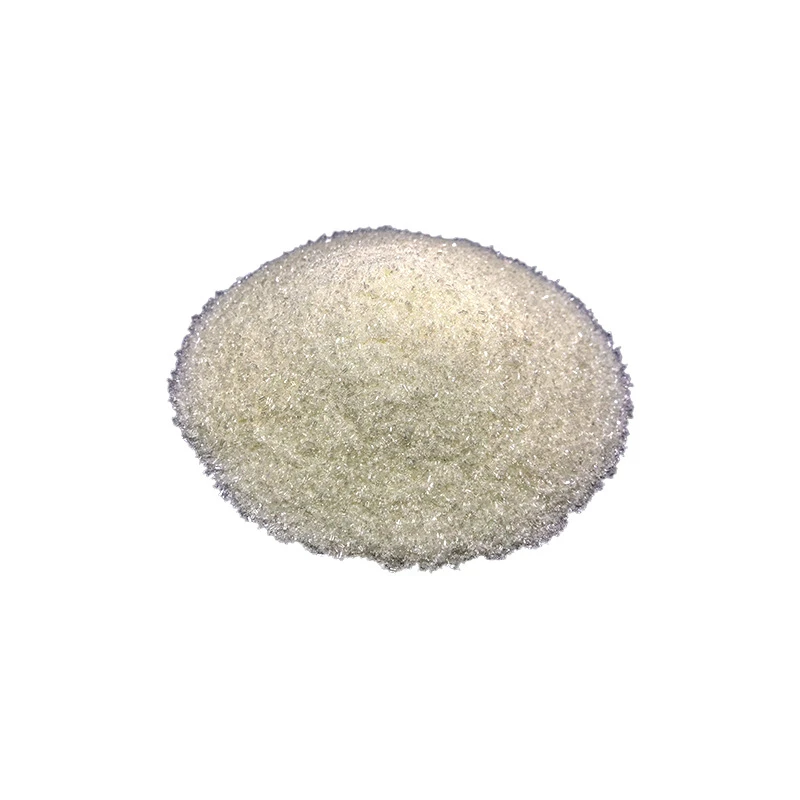
5. Versatility
UV absorbers are incredibly versatile. They can be used in a wide range of industries and applications. In the plastics industry, they're used in everything from packaging materials to automotive parts. In the textile industry, they can be added to fabrics to make them more resistant to fading when exposed to sunlight.
In the paint and coating industry, UV absorbers are essential for creating durable and long - lasting finishes. They can be used in architectural coatings, industrial coatings, and even marine coatings. This versatility means that no matter what industry you're in, there's a good chance that UV absorbers can benefit your products.
6. Regulatory Compliance
In some industries, there are regulations regarding the protection of products from UV radiation. For example, in the food packaging industry, there are strict rules about ensuring that the packaging doesn't degrade and contaminate the food inside due to UV exposure.
Using UV absorbers can help manufacturers meet these regulatory requirements. By adding UV absorbers to their products, they can ensure that their products are safe and compliant with industry standards. This not only protects the consumers but also protects the manufacturers from potential legal issues.
Conclusion
As you can see, the advantages of using UV absorbers are numerous. From protecting products against UV radiation and extending their lifespan to enhancing performance, being cost - effective, and offering versatility, UV absorbers are a game - changer in many industries.
If you're interested in learning more about our UV absorbers or want to discuss a potential purchase, I'd love to hear from you. We have a team of experts who can help you find the right UV absorber for your specific needs. Don't hesitate to reach out and start a conversation about how we can work together to improve your products.
References
- "Handbook of Polymer Degradation" by M. S. Simon
- "UV Absorbers and Light Stabilizers for Plastics" by R. Gächter and H. Müller