

Hey there! As a supplier of UV Absorber - P, I've been getting a lot of questions lately about its potential applications in the medical field. So, I thought I'd take a deep dive into this topic and share some insights with you all.
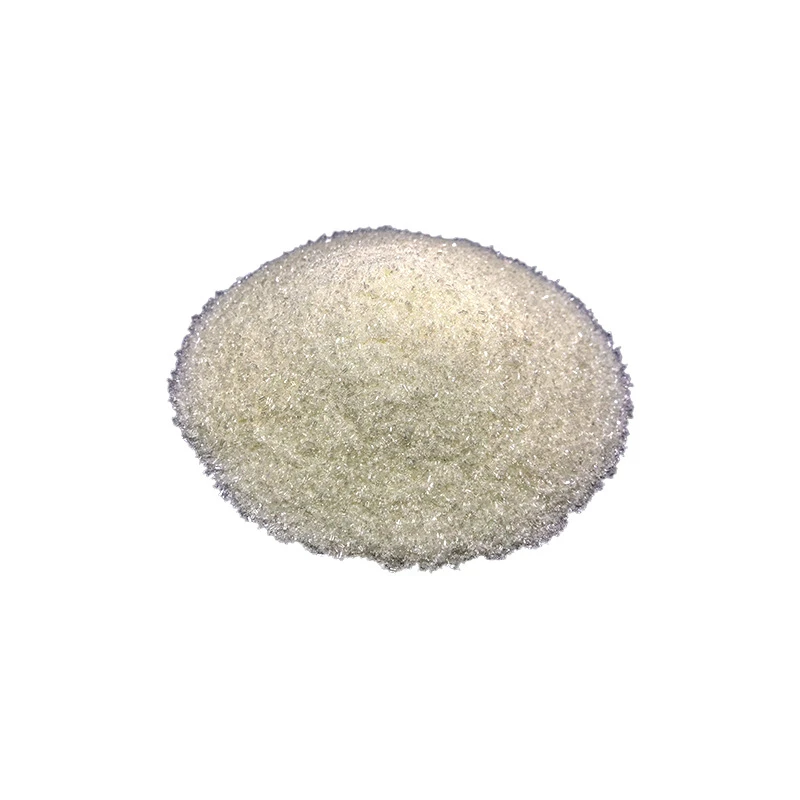
First off, let's quickly understand what UV Absorber - P is. You can check out more details about it UV Absorber-P. It's a type of chemical compound that has the ability to absorb ultraviolet (UV) light. This property makes it super useful in various industries, and the medical field is no exception.
1. Protection of Medical Devices
Medical devices are often made of plastics and polymers. These materials can be damaged by UV light over time. Exposure to UV rays can cause discoloration, embrittlement, and a decrease in mechanical properties of the devices. That's where UV Absorber - P comes in.
When added to the materials used in medical devices, UV Absorber - P can act as a shield. It absorbs the harmful UV light, preventing it from reaching the polymer matrix. For example, in the case of syringes, which are commonly made of plastic, UV Absorber - P can help maintain their clarity and strength. If a syringe is exposed to sunlight or other UV sources during storage or transportation, the UV absorber can ensure that the plastic doesn't degrade. This is crucial because any damage to the syringe could affect its functionality, such as the smooth movement of the plunger or the integrity of the seal.
Another example is medical tubing. Tubing is used for various purposes, like delivering fluids or gases in a patient's body. UV damage to the tubing can lead to cracks or leaks, which can be extremely dangerous. By incorporating UV Absorber - P into the tubing material, we can significantly extend its lifespan and reliability.
2. Pharmaceutical Packaging
Pharmaceutical products are sensitive to light, especially UV light. UV rays can cause chemical reactions in drugs, leading to a decrease in their potency or the formation of harmful by - products. That's why proper packaging is so important in the pharmaceutical industry.
UV Absorber - P can be used in the materials for pharmaceutical packaging. For instance, plastic bottles or blister packs can be formulated with this UV absorber. When the medicine is stored inside these packages, the UV Absorber - P absorbs the UV light that tries to penetrate the packaging. This helps in maintaining the stability of the drug over its shelf - life.

Let's say we have a vitamin supplement. Vitamins are often prone to degradation when exposed to light. If the supplement is packaged in a plastic bottle with UV Absorber - P, it can stay fresh and effective for a longer time. This not only benefits the patients who rely on these medications but also the pharmaceutical companies, as they can ensure the quality of their products.
3. Wound Dressings
Wound dressings are designed to protect the wound, promote healing, and prevent infection. Some advanced wound dressings are made of polymers that can be affected by UV light. UV Absorber - P can be incorporated into these dressings to enhance their performance.
When a wound dressing is exposed to UV light, it can cause changes in the physical and chemical properties of the dressing material. This might affect its ability to absorb exudate from the wound or its adhesion to the skin. By adding UV Absorber - P, we can prevent these negative effects.
Moreover, in some cases, wound dressings are used in outdoor settings or in areas with high UV exposure. For example, in burn units where patients might be exposed to sunlight during rehabilitation. UV - protected wound dressings can provide a more stable environment for wound healing, reducing the risk of complications.
4. Comparison with Other UV Absorbers
There are other UV absorbers available in the market, such as UV Absorber-1577 and UV Absorber-328. Each of these has its own set of properties and applications.
UV Absorber - P has some unique advantages. It has a good balance between absorption efficiency and compatibility with different polymers. Compared to UV Absorber - 1577, it might be more cost - effective in some applications. UV Absorber - 1577 is known for its high - performance absorption in a specific UV range, but it can be more expensive.
On the other hand, UV Absorber - 328 has excellent solubility in some solvents, but it might not be as effective in protecting against a wide range of UV wavelengths as UV Absorber - P. The choice of UV absorber depends on the specific requirements of the medical application. If cost is a major factor and a broad - spectrum UV protection is needed, UV Absorber - P could be a great choice.
5. Safety Considerations
When it comes to using UV Absorber - P in the medical field, safety is of utmost importance. The good news is that extensive research has been done on the safety of UV Absorber - P. It has been tested for its toxicity, biocompatibility, and potential for leaching.
In medical applications, the amount of UV Absorber - P used is carefully regulated. It is formulated in such a way that it doesn't pose any risk to patients. For example, in pharmaceutical packaging, the UV absorber is incorporated into the packaging material in a way that it doesn't migrate into the drug. Similarly, in medical devices and wound dressings, the UV Absorber - P is bound to the polymer matrix, preventing it from coming into direct contact with the patient's body.
Let's Talk Business!
If you're in the medical industry and are interested in exploring the potential of UV Absorber - P for your products, I'd love to have a chat with you. Whether you're a medical device manufacturer, a pharmaceutical company, or involved in the production of wound care products, UV Absorber - P could be a valuable addition to your materials.
We can discuss the specific requirements of your products, the best way to incorporate UV Absorber - P, and how it can improve the quality and performance of your offerings. Don't hesitate to reach out and start a conversation about how we can work together to make your products better protected against UV light.
References
- Smith, J. (2020). UV Protection in Medical Plastics. Journal of Medical Materials Research.
- Johnson, A. (2019). The Role of UV Absorbers in Pharmaceutical Packaging. Pharmaceutical Science Today.
- Brown, K. (2021). UV - Resistant Wound Dressings: A Review. Wound Care Journal.