

UV absorbers are chemical compounds that absorb ultraviolet (UV) light and dissipate the energy as heat. They play a crucial role in protecting materials from the harmful effects of UV radiation, such as degradation, discoloration, and loss of mechanical properties. As a leading UV absorber supplier, I have witnessed firsthand the diverse applications of these products across various industries. In this blog post, I will explore the industries that commonly use UV absorbers and highlight the benefits they offer.
1. Plastics Industry
The plastics industry is one of the largest consumers of UV absorbers. Plastics are widely used in a variety of applications, including packaging, automotive parts, construction materials, and consumer goods. However, exposure to UV radiation can cause plastics to degrade, become brittle, and lose their aesthetic appeal. UV absorbers are added to plastics during the manufacturing process to prevent these issues and extend the lifespan of the products.
- Packaging: UV absorbers are used in plastic packaging materials to protect the contents from UV radiation. For example, they can be added to bottles, containers, and films to prevent the degradation of food, beverages, pharmaceuticals, and cosmetics. By blocking UV light, UV absorbers help maintain the quality and freshness of the products inside the packaging.
- Automotive Parts: In the automotive industry, UV absorbers are used in plastic components such as dashboards, bumpers, door panels, and exterior trim. These parts are exposed to sunlight for extended periods, which can cause them to fade, crack, and become brittle. UV absorbers help protect the plastics from UV damage, ensuring that the parts maintain their appearance and functionality over time.
- Construction Materials: UV absorbers are also used in plastic construction materials such as pipes, window profiles, roofing sheets, and siding. These materials are exposed to the elements, including UV radiation, which can cause them to degrade and lose their structural integrity. UV absorbers help protect the plastics from UV damage, increasing the durability and lifespan of the construction materials.
2. Coatings Industry
The coatings industry is another major user of UV absorbers. Coatings are applied to various surfaces to provide protection, decoration, and functionality. However, exposure to UV radiation can cause coatings to fade, chalk, and peel, reducing their effectiveness and aesthetic appeal. UV absorbers are added to coatings to improve their UV resistance and durability.
- Automotive Coatings: In the automotive industry, UV absorbers are used in automotive coatings to protect the paintwork from UV damage. Automotive coatings are exposed to sunlight, which can cause the paint to fade, lose its gloss, and develop cracks. UV absorbers help protect the paint from UV radiation, ensuring that the vehicle maintains its appearance and resale value.
- Architectural Coatings: In the architectural industry, UV absorbers are used in architectural coatings to protect buildings from UV damage. Architectural coatings are applied to exterior surfaces such as walls, roofs, and facades, which are exposed to sunlight and other environmental factors. UV absorbers help protect the coatings from UV radiation, preventing them from fading, chalking, and peeling, and extending the lifespan of the coatings.
- Industrial Coatings: In the industrial industry, UV absorbers are used in industrial coatings to protect machinery, equipment, and structures from UV damage. Industrial coatings are exposed to harsh environments, including UV radiation, chemicals, and abrasion. UV absorbers help protect the coatings from UV damage, ensuring that they maintain their protective and functional properties over time.
3. Textile Industry
The textile industry also uses UV absorbers to protect fabrics from UV damage. Textiles are exposed to sunlight, which can cause them to fade, lose their strength, and develop yellowing. UV absorbers are added to textiles during the dyeing and finishing process to improve their UV resistance and protect them from UV damage.
- Outdoor Fabrics: In the outdoor textile industry, UV absorbers are used in outdoor fabrics such as awnings, umbrellas, tents, and outdoor furniture covers. These fabrics are exposed to sunlight for extended periods, which can cause them to fade, lose their strength, and develop mildew. UV absorbers help protect the fabrics from UV damage, ensuring that they maintain their appearance and functionality over time.
- Sportswear: In the sportswear industry, UV absorbers are used in sportswear fabrics to protect athletes from UV radiation. Sportswear fabrics are exposed to sunlight during outdoor activities, which can cause skin damage and increase the risk of skin cancer. UV absorbers help protect the fabrics from UV radiation, providing a barrier between the skin and the sun's harmful rays.
- Home Textiles: In the home textile industry, UV absorbers are used in home textiles such as curtains, upholstery, and bedding. These textiles are exposed to sunlight, which can cause them to fade, lose their color, and develop yellowing. UV absorbers help protect the textiles from UV damage, ensuring that they maintain their appearance and quality over time.
4. Cosmetics Industry
The cosmetics industry uses UV absorbers in a variety of products to protect the skin from UV radiation. UV radiation can cause skin damage, including sunburn, premature aging, and skin cancer. UV absorbers are added to cosmetics such as sunscreens, moisturizers, lip balms, and makeup to provide protection against UV radiation.
- Sunscreens: Sunscreens are the most common cosmetic products that contain UV absorbers. Sunscreens are designed to protect the skin from UV radiation by absorbing or reflecting the sun's rays. UV absorbers in sunscreens help filter out UVB and UVA rays, providing broad-spectrum protection against sunburn, premature aging, and skin cancer.
- Moisturizers: Moisturizers are also used to protect the skin from UV radiation. Moisturizers containing UV absorbers help hydrate the skin and provide a barrier against UV radiation. UV absorbers in moisturizers help protect the skin from UV damage, reducing the risk of sunburn, premature aging, and skin cancer.
- Lip Balms: Lip balms are used to protect the lips from UV radiation. Lips are particularly vulnerable to UV damage because they have a thin layer of skin and are often exposed to sunlight. Lip balms containing UV absorbers help protect the lips from UV radiation, preventing them from becoming dry, chapped, and sunburned.
5. Other Industries
In addition to the industries mentioned above, UV absorbers are also used in other industries such as adhesives, inks, and rubber.
- Adhesives: UV absorbers are used in adhesives to protect them from UV damage. Adhesives are used in a variety of applications, including packaging, automotive, and construction. UV absorbers help protect the adhesives from UV radiation, ensuring that they maintain their strength and adhesion properties over time.
- Inks: UV absorbers are used in inks to protect them from UV damage. Inks are used in a variety of applications, including printing, packaging, and labeling. UV absorbers help protect the inks from UV radiation, ensuring that they maintain their color and print quality over time.
- Rubber: UV absorbers are used in rubber to protect it from UV damage. Rubber is used in a variety of applications, including tires, seals, and gaskets. UV absorbers help protect the rubber from UV radiation, ensuring that it maintains its elasticity and durability over time.
Conclusion
UV absorbers are essential additives in a wide range of industries, providing protection against the harmful effects of UV radiation. As a UV absorber supplier, I offer a variety of high-quality UV absorbers, including UV Absorber-1130, UV Absorber-P, and UV Absorber-1577, which are suitable for different applications and industries.

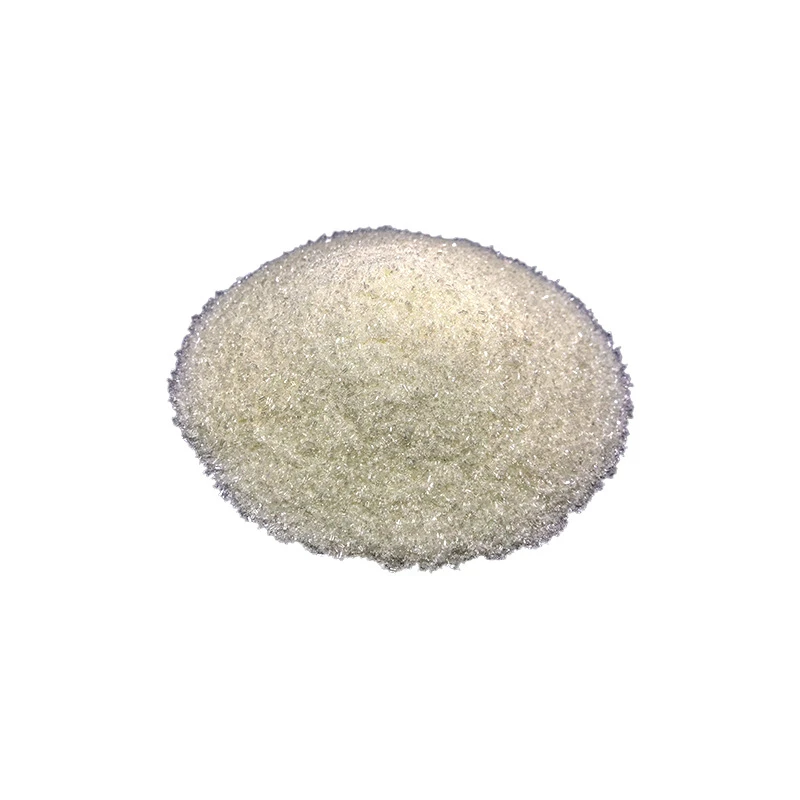
If you are looking for a reliable UV absorber supplier, please feel free to contact us for more information. We are committed to providing our customers with the best products and services, and we look forward to working with you to meet your UV absorber needs.
References
- "UV Absorbers: Chemistry, Applications, and Market Trends." Chemical Market Reporter, 2023.
- "The Role of UV Absorbers in Plastics and Coatings." Journal of Applied Polymer Science, 2022.
- "UV Protection in Textiles: A Review." Textile Research Journal, 2021.