

As a supplier of Antioxidant BHT, I've often been asked about its odor. In this blog, I'll delve into the olfactory characteristics of Antioxidant BHT, its significance in various industries, and how it compares to other antioxidants.
What is Antioxidant BHT?
Antioxidant BHT, or Butylated Hydroxytoluene, is a synthetic organic compound that belongs to the family of phenolic antioxidants. It is widely used in the food, cosmetic, and plastic industries to prevent the oxidation of products, which can lead to rancidity, discoloration, and loss of flavor. Antioxidant BHT is known for its effectiveness in extending the shelf life of products and maintaining their quality over time.
The Odor of Antioxidant BHT
The odor of Antioxidant BHT is often described as mild and somewhat phenolic. It has a faint, sweet - like undertone with a characteristic chemical note that is typical of phenolic compounds. The smell is not overpowering, but it is distinct enough to be noticeable, especially in concentrated forms.
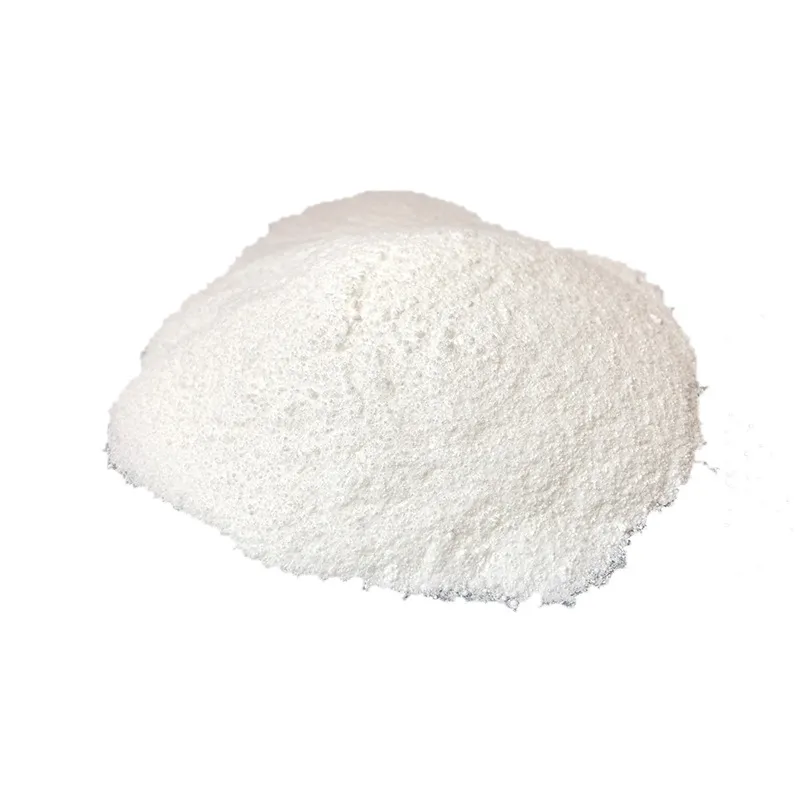
In its pure form, Antioxidant BHT has a crystalline structure, and the odor is more pronounced when the crystals are disturbed or dissolved in a solvent. When used in products, the odor is usually masked by the other ingredients present. For example, in food products, the natural flavors and aromas of the food can overshadow the smell of Antioxidant BHT. In cosmetics, the added fragrances play a similar role in masking the odor.
Significance of the Odor in Different Industries
Food Industry
In the food industry, the odor of Antioxidant BHT is a crucial consideration. Since food products are consumed, any off - putting odor can significantly affect the consumer's perception of the product. However, the low concentration at which Antioxidant BHT is used in food (usually within the regulatory limits) ensures that the odor does not interfere with the taste and aroma of the food. In fact, its ability to prevent oxidation helps in maintaining the natural flavors and aromas of the food for a longer period. For example, in oils and fats, Antioxidant BHT prevents the development of rancid odors, which are a result of oxidation.
Cosmetic Industry
In cosmetics, the odor of Antioxidant BHT needs to be carefully managed. Cosmetics are often associated with pleasant scents, and any unwanted odor can make the product less appealing to consumers. Manufacturers use various techniques to minimize the impact of the odor. They may choose to use encapsulated forms of Antioxidant BHT, which release the antioxidant slowly and reduce the immediate odor. Additionally, the addition of high - quality fragrances is a common practice to mask the odor. Antioxidant BHT helps in preventing the oxidation of cosmetic ingredients such as oils and waxes, which can lead to the formation of unpleasant odors and changes in texture.
Plastic Industry
In the plastic industry, the odor of Antioxidant BHT is less of a concern compared to the food and cosmetic industries. Plastics are not typically associated with a specific pleasant odor, and the main focus is on the antioxidant's performance in preventing oxidation. Antioxidant BHT helps in maintaining the mechanical properties of plastics, such as their strength and flexibility, by preventing the degradation caused by oxidation. The odor of Antioxidant BHT in plastics is usually not detectable by the end - user, as it is incorporated into the plastic matrix during the manufacturing process.
Comparison with Other Antioxidants
Antioxidant B225
Antioxidant B225 is another popular antioxidant used in various industries. Compared to Antioxidant BHT, Antioxidant B225 has a different odor profile. It has a more complex odor, which is a combination of different chemical notes. The odor of Antioxidant B225 is also relatively stronger than that of Antioxidant BHT. However, both antioxidants are effective in preventing oxidation, and the choice between them often depends on the specific requirements of the product, such as the desired level of antioxidant protection, cost, and regulatory compliance.
Water Soluble Antioxidant
Water Soluble Antioxidant has a completely different odor characteristic. Since it is designed to be soluble in water, its odor is often more subdued and less chemical - like compared to Antioxidant BHT. Water Soluble Antioxidants are commonly used in aqueous - based products, such as beverages and some cosmetic formulations. The odor of these antioxidants is usually well - tolerated in such products, as the water and other ingredients help in diluting and masking the smell.
How the Odor Affects the Supply and Demand
The odor of Antioxidant BHT can have an impact on the supply and demand dynamics. Some customers may be more sensitive to the odor and may prefer alternative antioxidants. However, the cost - effectiveness and wide - ranging applications of Antioxidant BHT still make it a popular choice in many industries. As a supplier, we are constantly working on improving the product to minimize the odor without compromising its antioxidant properties. We also provide technical support to our customers to help them manage the odor in their products.

Conclusion
The odor of Antioxidant BHT is a characteristic that has different implications in various industries. While it is a factor that needs to be considered, its effectiveness in preventing oxidation and extending the shelf life of products makes it a valuable ingredient. As a supplier, we understand the importance of addressing the concerns related to the odor and are committed to providing high - quality Antioxidant BHT that meets the needs of our customers.
If you are interested in purchasing Antioxidant BHT or have any questions regarding its odor or application, please feel free to contact us for further discussion and procurement. We are here to assist you in finding the best antioxidant solution for your products.
References
- "Antioxidants in Food: Practical Applications" by Fereidoon Shahidi.
- "Cosmetic Science and Technology" by Marie - Pierre Roguet and Jean - Louis Lequeux.
- "Plastic Additives Handbook" by Hans Zweifel.