

Hey there! As a supplier of UV Absorber - 328, I often get asked about the refractive index of this product. So, let's dive right into it and explore what the refractive index of UV Absorber - 328 is all about.
First off, what exactly is the refractive index? Well, in simple terms, the refractive index is a measure of how much a ray of light bends when it passes from one medium to another. It's a fundamental property of materials and can tell us a lot about how they interact with light. For UV Absorber - 328, understanding its refractive index can give us insights into its optical properties and how it might perform in various applications.
The refractive index of UV Absorber - 328 typically falls within a certain range. However, it's important to note that this value can be influenced by several factors. Temperature is one of the key factors. Generally, as the temperature increases, the refractive index of most materials decreases. This is because the molecules in the material move more freely at higher temperatures, which affects the way light travels through it.
Another factor that can affect the refractive index of UV Absorber - 328 is the wavelength of light. Different wavelengths of light interact differently with the material. In the case of UV Absorber - 328, which is designed to absorb ultraviolet light, the refractive index may vary depending on whether we're talking about UV light or visible light.
Now, why is the refractive index of UV Absorber - 328 important? Well, for starters, it can impact the performance of the absorber in different applications. For example, in coatings, a consistent refractive index is crucial for achieving a clear and uniform finish. If the refractive index varies too much, it can lead to issues like haze or uneven appearance.
In plastics, the refractive index can also play a role in determining the transparency and clarity of the final product. UV Absorber - 328 is often added to plastics to protect them from the damaging effects of UV radiation. A proper understanding of its refractive index can help manufacturers ensure that the plastic retains its optical properties while still being protected from UV light.

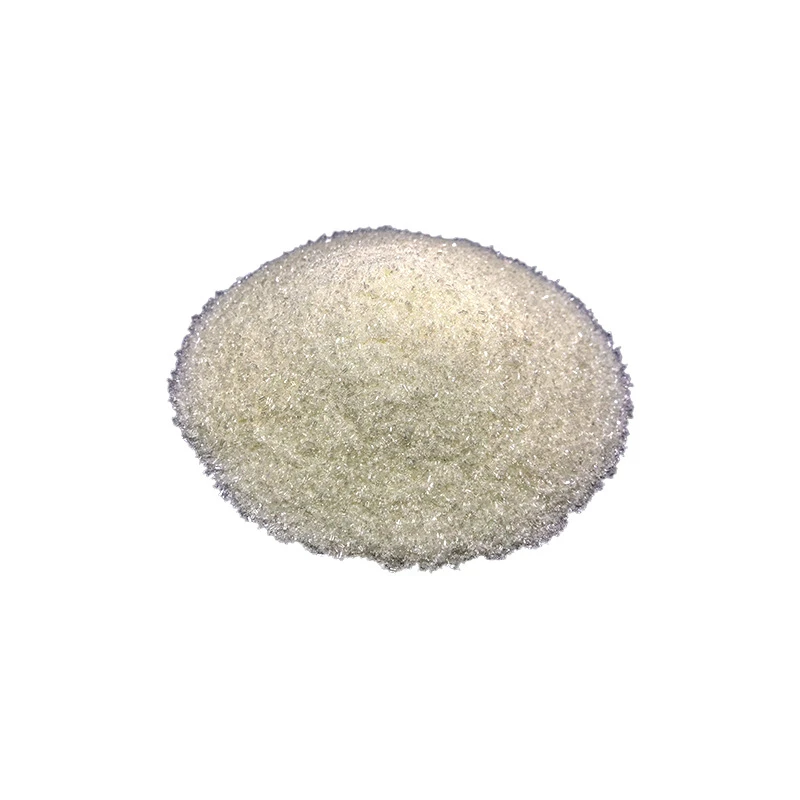
Let's compare UV Absorber - 328 with some other UV absorbers. There are several other popular UV absorbers in the market, such as UV Absorber-P, UV Absorber-326, and UV Absorber-9. Each of these absorbers has its own unique refractive index and set of properties.
UV Absorber - 328 has a refractive index that makes it suitable for a wide range of applications. It offers good compatibility with various polymers and can provide effective UV protection without significantly altering the optical properties of the host material. On the other hand, UV Absorber - P might have a different refractive index, which could make it more suitable for specific applications where different optical characteristics are required.
UV Absorber - 326 is known for its excellent absorption in the UV - B range. Its refractive index might be optimized for applications where high - performance UV - B protection is needed. And UV Absorber - 9, which has been around for a while, also has its own set of refractive index characteristics that have made it a popular choice in certain industries.
When it comes to measuring the refractive index of UV Absorber - 328, there are several methods available. One common method is using a refractometer. A refractometer works by measuring the angle of refraction of light as it passes through the material. This method is relatively quick and easy, and it can provide accurate results.
Another method is using spectroscopic techniques. Spectroscopy can give us more detailed information about how the material interacts with different wavelengths of light. By analyzing the absorption and refraction spectra, we can get a better understanding of the refractive index and other optical properties of UV Absorber - 328.
As a supplier of UV Absorber - 328, I understand the importance of providing accurate information about the product's properties. That's why we conduct thorough testing on our UV Absorber - 328 to ensure that we can provide our customers with reliable data on its refractive index and other characteristics.
We also work closely with our customers to understand their specific needs. Whether they're in the coatings, plastics, or other industries, we can offer advice on how to best use UV Absorber - 328 based on its refractive index and other properties.
If you're in the market for a high - quality UV absorber, UV Absorber - 328 could be a great choice. Its refractive index and other properties make it a versatile and effective solution for protecting your products from UV radiation.
If you're interested in learning more about UV Absorber - 328 or have any questions about its refractive index or other properties, don't hesitate to reach out. We're here to help you make the best decision for your business. Whether you're looking to improve the performance of your coatings, enhance the durability of your plastics, or find a reliable UV absorber for other applications, we can provide you with the information and support you need.
So, if you're ready to take your UV protection to the next level, contact us today to start a discussion about how UV Absorber - 328 can meet your specific requirements. Let's work together to find the perfect solution for your UV - related challenges.
References
- General knowledge of materials science and UV absorbers from industry - standard textbooks and research papers.
- In - house testing and research data on UV Absorber - 328.